Skunk cabbage

Definition and stakes

William Hodgson Ellis,  Wayside Weeds

“ The Skunk Cabbage “Along the oozing margins of swampy streams, where Spring seems to detach the sluggish ice from the softening mud, the Skunk Cabbage is boldly announcing nature’s revival. Handsome, vigorous and strong, richly coloured in purple, with delicate . . . markings of yellow, it rises . . . a pointed bulb-like flower, as large as a lemon. . . . Even its devoted admirers, who seek it as the earliest of all the awakening flowers, feel constrained to apologise for the odour it exhales.”—S. T. Wood, in The Globe. ”

Source: Gutenberg

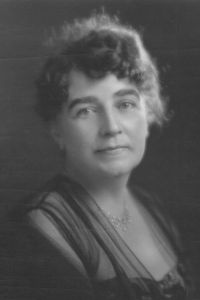
Portrait of Frances Theodora Parsons Frances Theodora Parsons,  How to know the wild flowers (1893)

“ When the true leaves unfold they mark the wet woods and meadows with bright patches of rich foliage, which with that of the hellebore, flash constantly into sight as we travel through the country in April.
It is interesting to remember that the skunk cabbage is nearly akin to the spotless calla lily, the purple-mottled spathe of the one answering to the snowy petal-like leaf of the other. Meehan tells us that the name bear-weed was given to the plant by the early Swedish settlers in the neighborhood of Philadelphia.
”
Source: Gutenberg

Portrait of Frances Theodora Parsons Frances Theodora Parsons,  How to know the wild flowers (1893)

“ It seems unfortunate that our earliest spring flower (for such it undoubtedly is) should possess so unpleasant an odor as to win for itself the unpoetic title of skunk cabbage. There is also some incongruity in the heading of the great floral procession of the year by the minute hidden blossoms of this plant. That they are enabled to survive the raw March winds which are rampant when they first appear is probably due to the protection afforded them by the leathery leaf or spathe. ”
Source: Gutenberg

Get perspective with Kwize: daily news enlightened by great literature