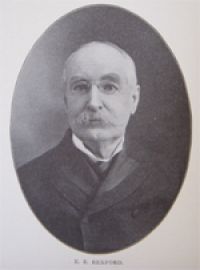
“ Spray Materials are conveniently divided into two classes, insecticides and fungicides. An insecticide is a poison by which the insect is killed either directly by eating it, or indirectly by the caustic, smothering, or stifling effects resulting from closing its breathing pores. Direct poisons are used for insects which eat some part of the tree or fruit and are called stomach poisons. Sprays which kill indirectly are used for insects which suck the sap or juice from the tree or fruit and are called contact sprays. ”
Insecticide
Definition and stakes
Insecticides are pesticides designed to eliminate insects, including ovicides and larvicides that target eggs and larvae, respectively. Primarily used in agriculture, they also manage household pests, vector control, and animal parasites. Although acaricides, which target mites and ticks, are frequently categorized alongside insecticides, their unique modes of action and applications illustrate the variety within this class. Authors such as M. C.
Burritt differentiated between "stomach poisons" for chewing insects and "contact sprays" for sap-suckers, while the Animal and Plant Health Inspection Service highlighted the strategic application of systemic insecticides like imidacloprid to combat pests such as the Asian longhorned beetle. Ida D. Bennett emphasized the importance of developing insecticides tailored to pest behavior, showcasing the refined strategies in pest management. The data consolidates these viewpoints, revealing a conflict between the effectiveness of insecticides in safeguarding crops and their environmental and ecological consequences, which have led to increased regulatory oversight and the advancement of biopesticides as alternatives.
Quotes about “insecticide”
Portal:Animal and Plant Health Inspection Service, Asian Longhorned Beetle Insecticide Treatments (2022)
“ When does the ALB program use insecticide treatments on trees?When does the ALB program use insecticide treatments on trees? When deciding whether to treat trees with imidacloprid, APHIS and State officials consider several important factors, including environmental and biological issues, the scale of an infestation, recent ALB survey results, and cost. Insecticide treatments are used only on trees that are not known to be infested. The treatment kills beetles or larvae that try to feed on the tree and helps prevent it from becoming infested. ”
Portal:Animal and Plant Health Inspection Service, Asian Longhorned Beetle Insecticide Treatments (2022)
“ Variability in treatments, weather conditions, and overall tree health can result in uneven insecticide distribution within a tree and prevent the insecticide from killing all ALB in an infested tree. Also, the insecticide is not effective against the later larval stages that spend most of their time inside the heartwood of the tree where treatment will not reach them. These larvae can continue to grow inside the treated tree, develop, and still emerge as adult beetles. All infested trees must be removed because that is the most effective way to completely eliminate the beetle. ”