Sparrow hawk

Definition and stakes

William T. Palmer,  In Lakeland Dells and Fells

“ Viewed closely, alive and dead, the sparrow-hawk is a neat bird; its gray-brown and white feathers harmonize quietly and well, and the poise of the body and wings, when alive, are pretty. Then, the speed at which they pounce down on a bird they have selected is worth watching. In the dense larch coppice we hear the cooing of many cushats, but they do not come in sight. ”

Source: Gutenberg

F. St. Mars,  The Way of the Wild

“ A sparrow-hawk, worried with a family of her own, took occasion to chase him as he flew, and he arrived in among the young lime-trees that backed the garden, switchbacking—that was one of his tricks of escape, made possible by a long tail—and yelling fit to raise the world. The sparrow-hawk's skinny yellow claw, thrust forward, was clutching thin air an inch behind his central tail-feathers, but that was all she got of him—just thin air. ”
Source: Gutenberg

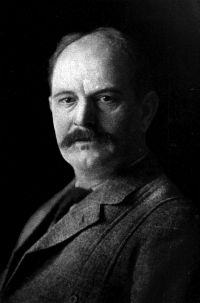
Portrait of Owen Jones Owen Jones,  A Gamekeeper's Note-book (1910)

“ Blue hawks, pigeon hawks, and five-barred hawks are among the sparrow-hawk's local names, arising from the blue-grey colour of the upper parts of their plumage, from their occasional habit of attacking wood-pigeons, and from the five striking bars of brownish black on their tails. Less common than kestrels, sparrow-hawks are far less conspicuous: while the kestrel hovers high in the air on the look-out for prey (whether a mouse or a grasshopper) , the sparrow-hawk's way is to glide low over the fields and along the hedges, swooping suddenly through gaps to pounce on unsuspecting small birds. ”
Source: Gutenberg

Get perspective with Kwize: daily news enlightened by great literature