Raptor

Definition and stakes

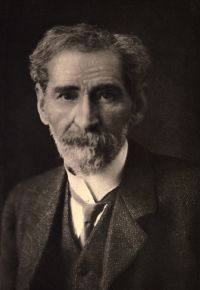
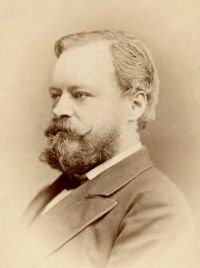
Portrait of Philip Henry Gosse Philip Henry Gosse,  The birds of Jamaica (1847)

“ If they take wing for a distance, they rise at once high, that they may command a view of the place which they intend to visit; and if they proceed to an object that is near, they elevate themselves to such a height only as is necessary to give them a clear and direct course to where they are speeding. The circular flight of raptorial birds, is therefore the result of their directing their vision to the centre of the gyrations they describe in examining their prey, or descending upon their victims. ”
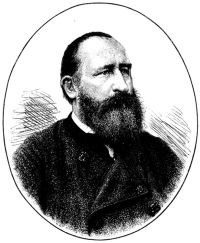
Source: Gutenberg

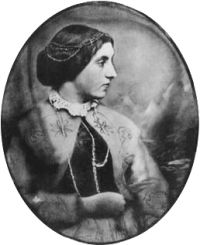
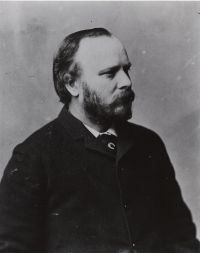
Portrait of Alfred Edmund Brehm Alfred Edmund Brehm,  Cassell's book of birds; vol. 1

“ The plumage of the Raptores is usually dingy and sombre in its hues, though some few species exhibit considerable beauty of appearance, and the bare places on the head, the comb, wattles, bridles, cere, beak, feet, and eyes are occasionally brightly coloured. The internal construction of these birds is on a par with their external configuration; the skeleton is strong, and the sternum so large as to extend over the whole of the fore part of the breast; the keel is high, the bones of the wings comparatively long, and those of the legs powerfully developed. ”
Source: Gutenberg

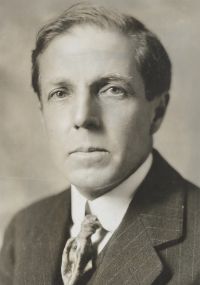
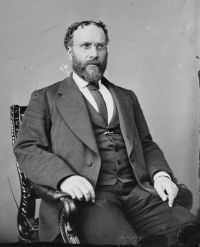
Portrait of W. H. Hudson W. H. Hudson,  The Naturalist in La Plata

“ Some raptors never attack birds, others only occasionally; still others prey only on the young and feeble; and, speaking of La Plata district, where I have observed hawks, from the milvago chimango--chiefly a carrion-eater--to the destructive peregrine falcon, there is a very great variety of predatory habits, and all degrees of courage to be found ”
Source: Gutenberg

Get perspective with Kwize: daily news enlightened by great literature