Stupefaction

Definition and stakes

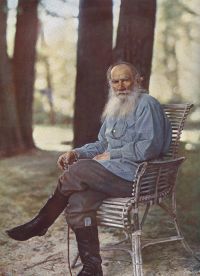
Portrait of Leo Tolstoy Leo Tolstoy,  Why Do Men Stupefy Themselves?

“ It is supposed that if after this customary stupefaction no crime is committed — no theft or murder, but only customary bad and stupid actions — then these actions have occurred of themselves and are not evoked by the stupefaction. It is supposed that if these people have not committed offences against the criminal law they have no need to stifle the voice of conscience, and that the life led by people who habitually stupefy themselves is quite a good life, and would be precisely the same if they did not stupefy themselves. ”
Source: Wikisource

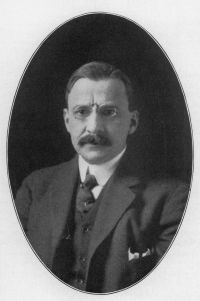
Portrait of Augustine Birrell Augustine Birrell,  Obiter Dicta: Second Series

“ His sentences fall over you in glittering cascades, beautiful and bright, and for the moment refreshing, but after a very brief while the mind, having nothing to do on its own account but to remain wide open, and see what Emerson sends it, grows first restive and then torpid. Admiration gives way to astonishment, astonishment to bewilderment, and bewilderment to stupefaction. ”
Source: Gutenberg

Portrait of August Hoch August Hoch,  Benign Stupors: A Study of a New Manic-Depressive Reaction Type

“ Only one publication has come to our attention in which an attempt is made at psychological interpretation of various symptoms in stupor. Vogt [32] derives much from a restriction of the field of consciousness. Only one idea is present at a time, hence there is no inhibition and impulsiveness occurs. Similarly, if the idea appear from without, it, too, is not inhibited, which produces the suggestibility that in turn accounts for catalepsy. Stereotypy and perseveration are other evidences of this narrowness of thought content. Negativism is a state, he says, of perseverated muscular tension. ”
Source: Gutenberg

Get perspective with Kwize: daily news enlightened by great literature