Sugarcane plantation

Definition and stakes

Ulrich Bonnell Phillips,  American Negro Slavery

“ In the twenty years prior to the beginning of the Worthy Park record more than one-third of all the sugar plantations in Jamaica had gone through bankruptcy. It was generally agreed that, within the limits of efficient operation, the larger an estate was, the better its prospect for net earnings. But though Worthy Park had more than twice the number of slaves that the average plantation employed, it was barely paying its way. ”

Source: Gutenberg

Jewett C. Gilson,  Wealth of the World's Waste Places and Oceania

“ Sugar has become the foremost export crop. Most of it goes to Europe; a small part of it is sent to the refineries of the United States. The great sugar plantations are likewise on the lowlands. Most of the plantations are owned by wealthy Hollanders, or by Dutch companies. The cane grows taller than that of the Cuban plantations; usually it is twice the height of the native laborers and grows so thickly as to make the field like a jungle. It requires a great sum of money to carry on a sugar plantation, for thousands of dollars must be spent in preparing the land. ”
Source: Gutenberg

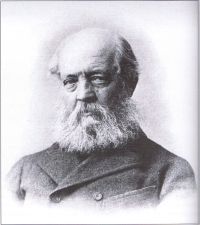
Portrait of M. G. Lewis M. G. Lewis,  Journal of a West India Proprietor

“ It seldom happens that mulattoes are in possession of plantations; but when a white man dies, who happens to possess twenty negroes, he will divide them among his brown family, leaving (we may say) five to each of his four children. These are too few to be employed in plantation work; they are, therefore, ordered to maintain their owner by some means or other, and which means are frequently not the most honest, the most frequent being the travelling about as higglers, and exchanging the trumpery contents of their packs and boxes with plantation negroes for stolen rum and sugar. ”
Source: Gutenberg

Get perspective with Kwize: daily news enlightened by great literature