Tenor (voice)

Definition and stakes

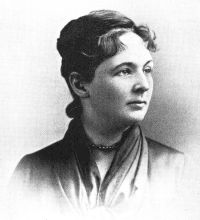
Portrait of Sarah Grand Sarah Grand,  The Heavenly Twins

“ One would scarcely have expected the Tenor to take up the note at the right moment, his mind being preoccupied by another strain, but he did. The lady in the canon's pew held the music of the anthem before her, and had been following that; but when the first clear notes of the Tenor's voice rang through the building she looked up as if in surprise, their eyes met, and with a shock the Tenor awoke from his lethargy, faltered for a moment, and then stopped. The organ played on, however, and he quickly recovered; but the pause had been quite perceptible and the people were amazed. ”
Source: Gutenberg

Alfred H. Engelbach,  The King's Warrant: A Story of Old and New France

“ Those who should best understand these matters say that the tenor is the most common voice with men. It may be so, but certainly the rarest of all voices met with in perfection is the tenor of that marvellous enchanting quality that thrills the very soul of the listener with its heavenly vibrations. Such a voice was that of Isidore de Beaujardin, and the instruction he had received from the best masters at Paris enabled him to use it with uncommon taste and skill. ”
Source: Gutenberg

A Dictionary of Music and Musicians (1900)

“ The average compass of the tenor voice is C to A or B (a) , though in large rooms notes below F (b) are usually of little avail. In primitive times,
before true polyphony or harmony were known, it was natural that what we now call the tenor voice should hold the one real part to be sung, should lead, in fact, the congregational singing, for the reason that this class of voice is sweeter and more flexible than the bass voice, and also would most readily strike the ear, as being the higher voice in range, until boys were employed
”
Source: Wikisource

Get perspective with Kwize: daily news enlightened by great literature