Topgallant mast

Definition and stakes

1911 Encyclopædia Britannica (1911)

“ As the 15th century advanced the growth of the ship made it difficult, or even impossible, to find spars large enough to make a mast. The practice of dividing it into lower, and upper or topmast, was introduced. At first the two were fastened firmly, and the topmast could not be lowered. In the 16th century the topmast became movable. No date can be given for the change, which was gradual, and was not simultaneously adopted. When the masting of sailing ships was fully developed, the division was into lower or standing mast, topmast, topgallant mast, and topgallant royal. ”
Source: Wikisource

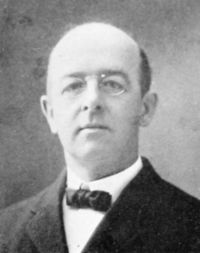
Portrait of Oliver Optic Oliver Optic,  All Taut; or, Rigging the boat

“ The three names I have given you—fore, main, and mizzen—are applied to them, as to all the other masts above them.
"The next mast above is the topmast (13) ; then comes the topgallant-mast (15) ; above which is the royal-mast (17) . The mast above this is the skysail-mast (45) , when there is one. Now I shall point to the different masts, and you will give me the names of them," continued Captain Gildrock, as he placed his pointer on one of them.
"Main-topmast," promptly replied the scholar indicated (51) .
The principal moved his pointer.
"Mizzen-royal-mast" (69) .
”
Source: Gutenberg

James Anthony Gardner,  Recollections of James Anthony Gardner… (1906)

“ For haste, the proverb says, makes waste. And so it happened; for a little before six, when he was within gunshot, the greedy fellow let another reef out of his topsails, and just as he had them hoisted, away went his fore yard, jib-boom, fore topmast and main topgallant mast. The other line-of-battle ship was hull down astern. The chase lasted twelve hours, during which time we ran near forty leagues. Shortened sail and wore ship, and as we passed to windward, we counted fifteen ports of a side on his lower deck. ”
Source: Gutenberg

Get perspective with Kwize: daily news enlightened by great literature