Wheatland

Definition and stakes

J. H. Walden,  Soil Culture

“ No one has ever found wild wheat in any country; it would be as strange as a wild cabbage or turnip. But the practical question is, How can wheat be most surely and profitably grown? The first requisite is a suit [Pg 424] able soil. A clay or limestone soil is usually considered best, as there is much lime in wheat-bran. Such soil is better than light sand, or some of the poorer loams. But the large yields of wheat on the Western prairies, and on the rich alluvial soils of California river-bottoms, shows that the best of wheat may grow on other than clay lands. ”
Source: Gutenberg

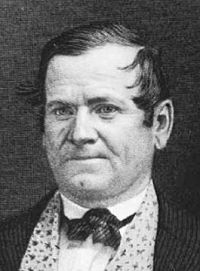
Portrait of Richard Jefferies Richard Jefferies,  The Life of the Fields (1884)

“ So the cranks, and wheels, and knives, and mechanism do not exist—it was a machine in the workshop, but it is not a machine in the wheat-field. For the wheatfield you see is very, very old, and the air is of old time, and the shadow, the flowers, and the sunlight, and that which moves among them becomes of them. The solitary reaper alone in the great field goes round and round, the red fans striking beside him, alone with the sunlight, and the blue sky, and the distant hills; and he and his reaper are as much of the cornfield as the long-forgotten sickle or the reaping-hook. ”
Source: Wikisource

Get perspective with Kwize: daily news enlightened by great literature