Wheatear

Definition and stakes

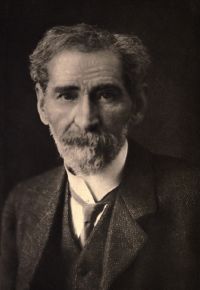
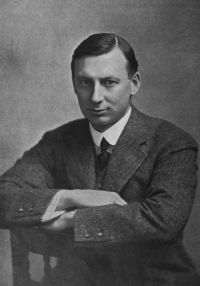
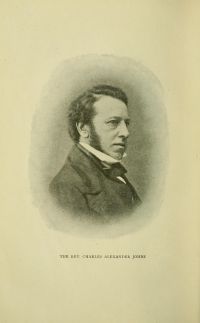
Portrait of C. A. Johns C. A. Johns,  British Birds in Their Haunts

“ Travelling through the waste lands of England, one may sometimes go on for miles and see no winged creatures but an occasional Wheatear, which, with dipping flight, made conspicuous by the snow-white spot at the base of its tail, shoots ahead of us some thirty or forty yards, alights on a stone, and, after a few uneasy upward and downward movements of its tail, starts off again to repeat the same manœuvre, until we begin to wonder what tempts it to stray away so far from home. ”
Source: Gutenberg

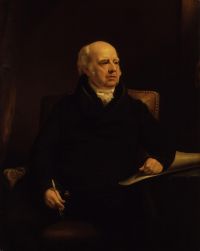
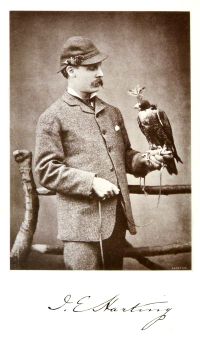
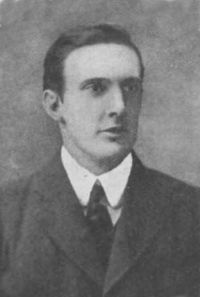
Portrait of Richard Jefferies Richard Jefferies,  The Hills and the Vale

“ Now, the wheatears move in numbers, and yet not in concert; in spring, perhaps twenty may be counted in sight at once on the ground, feeding together and yet quite separate; just opposite in manner to starlings, who feed side by side and rise and fly as one. Every wheatear feeds by himself, a space between him and his neighbour, dotted about, and yet they obviously have a certain amount of mutual understanding: they recognize that they belong to the same family, but maintain their individuality. ”
Source: Gutenberg

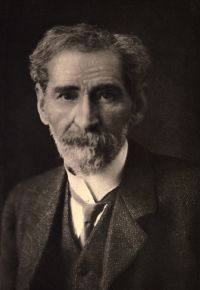
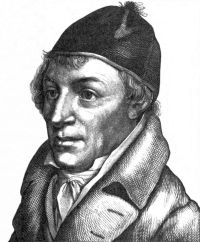
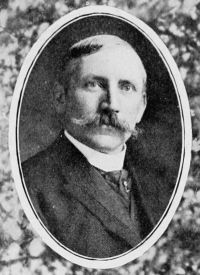
Portrait of William Henry Hudson William Henry Hudson,  British birds (1921)

“ Fortunately, there must always be waste and desert places—the scattered areas on mountain-sides, barren moors and downs, and rocky coasts, that cannot be made productive. In such spots the wheatear is an unfailing summer companion, and at once attracts attention by his appearance and motions. He is fond of perching on a rock, stone wall, or other elevation, but seldom alights on bushes and trees. He runs rapidly and freely on the ground, and, pausing at intervals and standing erect, moves his tail deliberately up and down. He flies readily, his rump and tail flashing white as he rises ”
Source: Gutenberg

Get perspective with Kwize: daily news enlightened by great literature