Stonechat

Definition and stakes

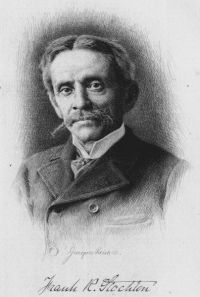
Portrait of Ralph Waldo Emerson Ralph Waldo Emerson,  English Traits — Stonehenge (1856)

“ On the top of a mountain, the old temple would not be more impressive. Far and wide a few shepherds with their flocks sprinkled the plain, and a bagman drove along the road. It looked as if the wide margin given in this crowded isle to this primeval temple were accorded by the veneration of the British race to the old egg out of which all their ecclesiastical structures and history had proceeded. Stonehenge is a circular colonnade with a diameter of a hundred feet, and enclosing a second and a third colonnade within. ”
Source: Wikisource

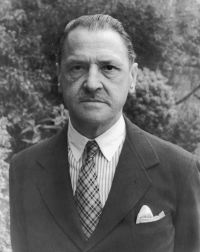
Portrait of R. D. Blackmore R. D. Blackmore,  Dariel: A Romance of Surrey

“ Stoneman gave me a grin, and behaved a little better, and did his best to be polite at luncheon-time, and after the narrow shaves of the morning things went on more carefully; for the men who knew nothing about a gun had now [Pg 166] learned to be afraid of it. Until, with the sun getting low behind a wood, we came to a bit of gorse-land having a steep fall towards a valley, favourite harbour for a fox, in the days when my chief business was such pleasant sport and jollity. ”
Source: Gutenberg

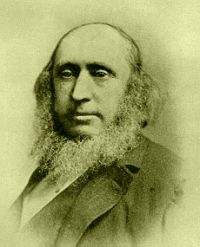
John Salkeld Bland,  The Vale of Lyvennet: Its Picturesque Peeps and Legendary Lore

“ The first scientific report on Stonehenge was made by Inigo Jones, at the wish of James I.; he thought it was a temple erected by the Romans, after the Tuscan order. Charleton, physician to [10] Charles II., held that it was a monument of the Danish period. Aubrey, about the same time, attributed it to the Druids. Next came Stukeley's famous theory. Stukeley, a man of great learning, had read of the Druids, and had seen the circles; then he found a grotesque story in Pliny about an egg, miraculously produced from the saliva of serpents, and regarded as a charm by the Druids. ”
Source: Gutenberg

Get perspective with Kwize: daily news enlightened by great literature