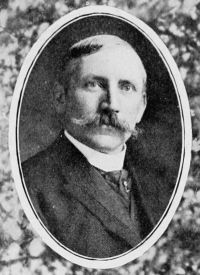
Richard Kearton

Richard Kearton

Summary

Portrait of Richard Kearton Richard Kearton Nature's carol singers (1906)

On several occasions I have disturbed young Dippers in the nest when they were ready to fly, and have seen them one by one plunge into a deep, clear pool and progress just as if they were flying slowly and heavily along under water until they came to shore or were compelled to rise to the surface from exhaustion.
The Dipper is a sweet singer, but the listener requires to be very close to the little vocalist before he is in a position thoroughly to appreciate the bird’s low, soft, warbling song, which, although of no great length, is practised even in the middle of winter.
Source: Gutenberg

Portrait of Richard Kearton Richard Kearton Nature's carol singers (1906)

The young Cuckoo arrives into the world without a scrap of down or the sign of a feather on its dusky, ugly little body. Very soon after it is hatched it begins to show signs of great restlessness and energy, endeavouring to throw out whatever else there may be in the nest in the shape of eggs or young. Nature has equipped the little monster well for its murderous task, by providing a hollow between its broad shoulders for the reception of its victims.
Source: Gutenberg

Portrait of Richard Kearton Richard Kearton Nature's carol singers (1906)

Why does a Skylark practise its notes on the ground more during the closing than the opening part of the season? How do birds know of a coming change in the weather and sing joyously to foretell it long before man, with all his acquired experience, is aware of the fact? Why do some winged melodists, such as the Blackbird for instance, sing the best during a shower of rain? Is it in anticipation of an increased supply of food? Would a chick that had never heard the song of its own species be able to sing it when it grew up?
Source: Gutenberg

Get perspective with Kwize: daily news enlightened by great literature