Wormwood

Definition and stakes

Portrait of Henry David Thoreau Henry David Thoreau,  Journal 02, 1850-September 15, 1851

“ There is a fine sound of crickets, not loud. The woods and single trees are heavier masses in the landscape than in the spring. Night has more allies. The heavy shadows of woods and trees are remarkable now. The meadows are green with their second crop. I hear only a tree-toad or song sparrow singing as in spring, at long intervals. The Roman wormwood is beginning to yellow-green my shoes,—intermingled with the blue-curls over the sand in this grain-field. Perchance some poet likened this yellow dust to the ambrosia of the gods. ”
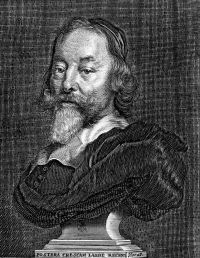
Source: Gutenberg

Richard Folkard,  Plant Lore, Legends, and Lyrics

“ Johnston, in his Thaumatographia naturalis, notes a curious superstition, according to which we are assured that an infant will not during its life be either hot or cold provided that its hands are rubbed over with the juice of Wormwood before the twelfth week of its life has expired. The ancients mingled Wormwood in their luscious wines, or used it before or after drinking them in order to counteract their effects. Sprays of Wormwood are often seen suspended in cottages to drive away moths and other insects. ”
Source: Gutenberg

Thomas Jefferson Farnham,  Farnham's Travels in the Great Western Prairies…

“ The wood is firm, fine grained, and difficult to break. The leaves are larger, but resemble in form and colour those of the common wormwood of the gardens. The flavour is that of a compound of garden wormwood and sage: hence it has received the names of "wild wormwood" and "wild sage." Its stiff and knotty branches are peculiarly unpleasant to the traveller among them. It stands so thickly over thousands of acres of the mountain valleys, that it is well nigh impossible to urge a horse through it ”
Source: Gutenberg

Get perspective with Kwize: daily news enlightened by great literature