AI-generated from sources
The Wilderness Ideal, From Romantic Escape to Historical Reality
In Brief
- The modern romantic ideal of 'off-grid' living starkly contrasts with the historical reality of primitive habitation, which was defined by brutal necessity and profound hardship.
- Historical frontier life was characterized by a lack of basic amenities, relentless toil, constant peril, and crushing isolation.
- Contemporary 'off-grid' experiences are often curated, temporary, and commodified, designed to offer nature's pleasures while mitigating its existential threats.
- While solitude is appealing, total isolation poses significant psychological challenges, underscoring the fundamental human need for social connection and community.
Main authors
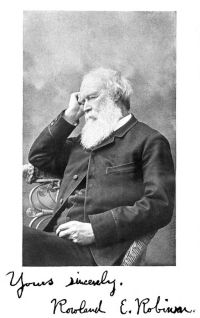
The modern imagination is captivated by the prospect of escaping the relentless pressures of contemporary life for a simpler, more authentic existence. This allure of 'off-grid' living is rooted in a romantic vision of self-sufficiency, quiet contemplation, and a deep, restorative connection with the natural world [1, 2]. It paints a picture of cozy cabins in pristine forests, where one can find the freedom and space to heal from the stresses of a crowded, dissonant civilization and foster genuine human connection away from its distractions [6, 7]. This ideal champions a return to an elemental way of life, perceived as more vital and meaningful.
This idealized narrative, however, stands in stark contrast to the historical reality of primitive habitation. The romantic dream of a tranquil woodland home conveniently overlooks a past defined not by choice and leisure, but by relentless struggle and profound hardship [8]. The historical experience of living in the wilderness was characterized by a lack of the most basic amenities, constant peril, and a deep, often brutal, isolation [14, 16]. Understanding the contemporary appeal of off-grid living requires confronting this divergence, recognizing that today's fantasy was yesterday's unforgiving reality [15].
The Romantic Call of the Wild
The desire for an outdoor life is frequently portrayed as an innate human instinct, a fundamental urge for freedom and self-discovery that challenges the individual to realize their potential . This experience is celebrated as a source of lasting vitality and cherished memories, offering a taste of an elemental existence defined by its seclusion and originality [4]. It represents a powerful pull toward the perceived purity of the great outdoors, a domain where one can live more fully and authentically.
Beyond the abstract call to freedom, the wilderness holds a powerful sensory and aesthetic appeal. The air in what Charles Wentworth Upham calls a "primitive forest," rich with the complex aromas of growth and decay, is described as an experience superior to any modern luxury [3]. In this environment, even the sounds of labor—the sharp ring of axes and the heavy fall of timber—are transformed into a kind of vitalizing music, rendering hard work joyous and refreshing rather than burdensome . This sensory immersion is central to the romantic perception of nature as an antidote to the artificiality of civilized life.
For many proponents, retreating into nature serves as a psychological imperative. Robert Marshall, writing in 1930, framed this escape as a "psychic necessity" for individuals to convalesce from the "terrible neural tension" endemic to modern society . The quietude and privacy of sylvan settings provide a unique space for contemplation and the forging of deep interpersonal bonds, opportunities that are scarce in crowded urban environments . This view casts the wilderness as a therapeutic landscape, a place not just of beauty, but of profound mental and spiritual restoration .
The allure of the wilderness is also tied to its unique, immersive quality. As Marshall observed, unlike art or music, which are typically experienced from an external perspective, the wilderness is an aesthetic universe that completely encompasses the individual [5]. This immersive beauty helps fuel the romantic ideal of self-reliant families flourishing in "primeval retreats," imagined as insulated havens remote from the corruptions of the world and sustained by the sheer prodigality of nature .
The Unforgiving Reality of Primitive Life
In stark contrast to the romantic ideal, historical accounts portray life on the frontier as a grueling trial of endurance . The log cabins that feature so prominently in the modern imagination were often little more than rudimentary shelters, offering inadequate protection against freezing winters and insect-infested summers [10]. For many inhabitants, this was not a lifestyle of chosen simplicity but a harsh existence to which they were bound by habit or a lack of other options—a dark and lonely life endured through months of hardship [11].
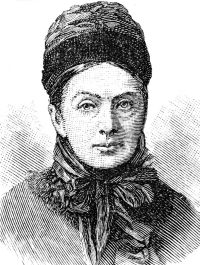
Daily existence was characterized by relentless toil and systemic inefficiency that perpetually thwarted progress. The writer Isabella L. Bird documented a state of constant disrepair where broken equipment, missing animals, and insecurely patched tools could bring all work to a standstill for days [9]. The absence of basic conveniences was so profound that acquiring a simple item like an axe could require a journey of many miles, a fact that starkly illustrates the immense gap between this lived reality and a life of modern comfort . This was a world defined by drudgery, not by leisurely self-sufficiency .
Survival itself was a precarious, daily struggle against a host of threats. The wilderness was not a benign sanctuary but a landscape filled with unseen dangers, from animal attacks and the risk of hostile human encounters to the ever-present perils of famine, freezing cold, and calamitous accidents . The archaeological record of cliff-dwellings, understood as desperate, unassailable refuges, serves as a powerful testament that for many, habitation at the margins was dictated by fear and the necessity of escaping overwhelming forces, not by an aesthetic appreciation for the landscape [13].
The cumulative effect of these unrelenting hardships could be brutalizing. Historical narratives detail a life reduced to its most basic elements, where the primary concerns were fending off predators like wolves and finding enough food to avoid starvation—at times resorting to meals of boiled leather thongs [12]. There was a palpable risk, as some authors noted with dread, of regressing into a near-savage state, losing touch with the remembered "glorious civilisation of the past" in the all-consuming struggle for a meager existence [17].
From Necessity to Curated Lifestyle
The contemporary approach to living in nature is founded on a principle of control rather than submission [18]. Modern habitation in wild settings—from the simple garden to the fortified castle—is an exercise in taming the environment by accumulating defenses and conveniences. The objective is to master nature in order to selectively extract its delights while neutralizing its countless inconveniences, creating a comfortable buffer between humanity and the raw wild .
This shift has contributed to the transformation of the wilderness into a managed, and often commercialized, product. The profound seclusion that once defined remote locations is now frequently replaced by populous resorts and developed shorelines, making an authentic, isolated camping experience increasingly difficult to find [19]. As Charles Dudley Warner lamented, this trend risks debasing the ideal into a "vulgarity of a well-fed picnic," where the importation of artificial luxuries fundamentally undermines the principle of returning to primitive conditions [22].
For most people today, 'off-grid' living is a form of recreation—a temporary and deliberately chosen hardship. It is an activity undertaken by those seeking "rest and quiet recreation" through the renovation of an old farmhouse, or by adventurers who willingly accept physical discomfort for the "pure triumph" that comes from conquering a piece of the wilderness [20, 21]. This curated experience is largely the domain of a middle class that possesses neither the extreme wealth required for exclusive resorts nor the expert skills needed for genuine, unsupported exploration [23].
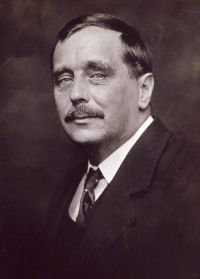
The concept of the solitary homestead as a lifestyle choice, rather than an economic or social necessity, was foreseen by early 20th-century writers such as H. G. Wells. He predicted that permanent, isolated living would become a luxury for the affluent, while most people would satisfy their desire for solitude with temporary rentals of holiday chalets in scenic forests or mountains [24]. This forecast accurately captures the fundamental transition of off-grid living from a condition of life to a consumable, recreational experience.
The Paradox of Solitude and Connection
The modern ideal of remote living often glosses over the profound psychological challenges of solitude. A lone cabin in a vast, empty landscape can evoke an intense feeling of loneliness, a jarring and unsettling contrast to the constant sensory input of a city [25]. This physical isolation can also breed a sense of vulnerability, where in the deep silence of the backcountry, an otherwise ordinary sound like a human footstep can become a source of immediate alarm [26].
This tension exposes a core aspect of human nature: the deep-seated need for social interaction. As the political philosopher Peter Kropotkin argued over a century ago, while periods of isolation are desirable, they must alternate with time spent in society to be psychologically healthy and fulfilling [27]. A life of total, permanent isolation would, as Charlotte Perkins Gilman posited, effectively arrest human progress by dismantling the foundations of civilization—transportation, education, art, and the development of widespread human ties [28].
Historically, however, not all forms of isolated living resulted in complete social severance. Some remote communities managed to create a functional balance, maintaining a society characterized by "quiet independence" and mutual support during times of hardship [29]. These groups cultivated strong local bonds and traditions, creating a social fabric that was geographically cut off from the wider world but remained internally cohesive, offering a model of community that was neither urban nor entirely atomized .
Contemporary aspirations for an 'off-grid' existence often resolve this paradox by seeking curated or selective forms of connection. Even in modern narratives of escape and flight into the wilderness, the importance of companionship and mutual support remains a central, life-sustaining theme [30]. This reflects a nuanced desire not for absolute separation, but for greater control over one's social environment—a way to balance the profound need for retreat with the equally fundamental human need for community.
The contemporary fascination with 'off-grid' living illuminates a profound gap between a romanticized ideal and a demanding historical reality. The widespread desire to escape modern pressures by retreating to a simple cabin is built on an appealing image of tranquility, self-discovery, and a harmonious coexistence with nature . Yet this vision is a luxury born of the very civilization it purports to reject. Historically, primitive habitation was rarely a choice but was instead a state of being defined by brutal necessity, relentless labor, pervasive danger, and a deep, crushing isolation—a life of endurance rather than restorative peace .
The evolution of this concept from a condition of survival to a curated lifestyle choice signals a fundamental shift in humanity's relationship with the wild. The modern 'off-grid' experience is typically managed, temporary, and often commodified, carefully designed to deliver the aesthetic pleasures of nature while shielding participants from its existential threats . Ultimately, this romanticism says more about the anxieties and desires of our own era than it does about the wilderness itself. It is a quest not to abandon civilization, but to selectively consume a tamed and accessible version of its opposite.