AI-generated from sources
The cordial and the systemic poison: How science redefined wine from panacea to toxin
In Brief
- Historically, wine was universally regarded as an indispensable medicinal cordial, digestive aid, and necessary social lubricant (e.g., considered essential to proper hospitality).
- Scientific inquiry, particularly the demystification of fermentation, isolated ethyl alcohol as the primary active ingredient, fundamentally redefining wine as a solution containing a classified poison.
- The discovery of dangerous wine adulteration, especially with lead, amplified public fears, driving a powerful moral shift toward abstinence and promoting water as the only truly safe beverage.
- The modern paradox reflects the persistent tension between wine's enduring cultural status and its chemical reality, necessitating a constant negotiation of risk, benefit, and moderation.
For centuries, wine has occupied a deeply paradoxical position in human culture, celebrated as both a life-giving elixir and a destructive toxin [1, 2]. Historically viewed as a cordial that could cheer the heart, restore the weary, and aid digestion, its identity has been contested by a counter-narrative that condemns it as a poison, a source of disease, and a catalyst for moral decay [3, 4]. This profound shift in perception raises a central question: how did a substance once integral to medicine, hospitality, and even religious ceremony come to be primarily defined by its potential for harm, its very essence reframed from a wholesome gift of nature to a systemic poison?
The transformation in wine's reputation is inextricably linked to the rise of scientific inquiry and a reductionist understanding of its core components [5, 6]. The very process of fermentation, a mysterious transformation that endows grapes with their celebrated qualities, was scientifically identified as the process that also creates "ardent spirit," or alcohol [7, 8]. This isolation of alcohol as wine's primary active ingredient became the pivot upon which its identity turned. The debate ceased to be about the holistic nature of the beverage and instead focused on the physiological effects of a specific chemical, creating a stark conflict between its perceived role as a digestive aid and its documented capacity to act as a narcotic and a poison [9, 10].
The Cordial and the Panacea: Wine as a Therapeutic Agent
In much of recorded history, wine was not merely a beverage but a fundamental component of health and wellness, prescribed with the same confidence as any other medicine [11]. It was widely believed to possess intrinsic virtues, capable of making the heart cheerful, the eyes bright, and conversation ready . Its use was particularly encouraged for the infirm and the elderly, serving as a gentle medicine to warm the chill of age or as a restorative draught for those weakened by illness or fatigue [12, 13]. This perspective positioned good wine as a benevolent provision from heaven, a cordial to be enjoyed for the sake of one's stomach and overall well-being [14].
A cornerstone of wine's medicinal reputation was its perceived role as a powerful digestive aid. Different vintages and types were thought to confer specific benefits, with some promoting diuresis and others specifically enhancing the digestion of food [15]. In a world of heavy diets, wine was seen as a necessary counterbalance, helping to process rich foods or even acting as an antidote to potential poisons within a meal [16]. For a system exhausted by a long day's work, a glass of wine with dinner was considered a superior digestive aid, enabling an otherwise taxed stomach to assimilate needed nutrients [17]. This belief was so ingrained that even for conditions like gout, a sound wine that helped digestion was considered more beneficial than other spirits [18].
Beyond its direct physiological benefits, wine was culturally codified as an essential element of social health and hospitality [19]. Offering wine to a guest was a fundamental principle of etiquette, so much so that to deny it was considered a greater breach than forcing a guest to eat only vegetables [20]. Socially, wine was seen as a key that could unlock a person's wit and knowledge, thawing the frost of social anxiety and enabling more fluid conversation [21]. This dual role, as both a physical tonic and a social lubricant, cemented wine's status not as a luxury or a vice, but as an indispensable component of a well-lived, healthy, and civilized life .
The Scientific Gaze: Unmasking Alcohol and Fermentation
The cultural re-evaluation of wine began in earnest with the scientific demystification of its creation and composition. Fermentation, once a seemingly magical process, was understood as a chemical transformation that disentangled elements within grape juice to form alcohol, also known as "ardent spirit" . This spirit—specifically ethyl alcohol—was identified as the consistent, active ingredient not only in wine but also in beer, whiskey, and brandy . This discovery was pivotal, as it shifted the focus from the holistic character of wine to the measurable quantity of a single, powerful chemical it contained.
This new scientific framework allowed for a direct, quantitative comparison between different alcoholic beverages. Wine was no longer a unique entity but was redefined as a solution containing between 5 and 25 percent alcohol, depending on the type [22]. This categorization stripped wine of its exceptionalism, placing it on the same continuum as more potent spirits and challenging the long-held belief in its relative harmlessness [23]. The perception of alcohol itself underwent a dramatic change, evolving from an integral essence of the beverage to a distinct, powerful, and potentially dangerous substance that could be classified among the deadly poisons when undiluted [24].
Further scientific investigation into microbiology revealed that wine was not a stable, perfected substance but a dynamic and vulnerable one. The work of scientists like Pasteur demonstrated that the deterioration of wine was not a spontaneous decay but a continuation of fermentation caused by microscopic organisms [25, 26]. Wine could turn sour and become vinegar through this process, showing that the same biological forces that created it could also spoil it [27, 28]. This discovery exposed wine's inherent instability and its susceptibility to numerous "vices" and "diseases," such as bitterness, flatness, or putrid fermentation, further eroding its image as a pure and reliable panacea [29].
The Poison in the Cup: A New Understanding of Physiological Harm
As alcohol was isolated as wine's defining component, the medical consensus began to pivot dramatically, framing the beverage less as a cure and more as a cause of illness [30]. Centuries of tradition were overturned by studies suggesting that the perceived benefits of wine were largely illusory . The belief that it enhanced strength or stimulated appetite was dismissed as a mistake; its effects were re-characterized as providing only a fleeting sensation of well-being while offering no actual improvement to the body . The former cordial was increasingly labeled a poison, a narcotic, and a drug capable of initiating a lifelong dependency, planting the "fatal germ" of addiction [31, 32, 33].
The catalogue of physiological damages attributed to wine, by way of its alcohol content, grew extensive. Alcohol was identified as having a particular affinity for nervous tissue, but its harmful reach was believed to extend to every organ system, impairing the function of the heart, lungs, and digestive organs [34]. It was directly implicated in causing gastric distress, liver problems, and even barrenness in women [35, 36]. In a particularly stark reversal, wine was depicted as a poison to the unborn, capable of causing miscarriage or producing frail and undersized infants . The very substance once given to restore health was now seen as a threat to life itself, even at the earliest stages.
The indictment extended to the mind and spirit. Once celebrated for unlocking wit, wine was now accused of unlocking darker impulses [37]. It was described as a force that could transform love into jealousy and anger into madness, turning a good-natured individual into an "idiot" or an "assassin" . The popular notion of "in vino veritas" (in wine, there is truth) was reinterpreted not as the revelation of honest character, but as the exposure of envy and moral "uncleanness" [38]. Instead of a gentle social lubricant, wine became a destructive "pick-lock," forcing open the mind in a way that caused lasting injury , or a poison that could corrupt the soul with sensuous desire, leading ultimately to madness [39].
Adulteration, Abstinence, and the Ascendance of Water
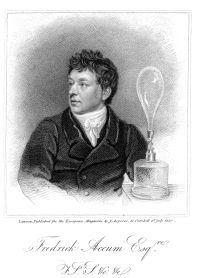
Compounding the newfound perception of wine as an inherent poison was the tangible and insidious threat of its deliberate adulteration [40, 41]. Commercial pressures and a lack of regulation led to fraudulent practices, most dangerously the addition of lead to mask the sour taste of spoiled wine [42, 43]. This practice transformed the beverage from a substance with debatable health effects into an undeniable "slow poison," with merchants who engaged in it being accused of adding the crime of murder to that of fraud . Such betrayals of consumer trust amplified anxieties and solidified the association between wine and poison in the public consciousness .
In response to this dual threat—the intrinsic poison of alcohol and the extrinsic poison of adulterants—a powerful counter-narrative emerged championing water as the superior and natural beverage for humankind [44, 45]. Water was praised for its purity and its perfect compatibility with the digestive system, dissolving nutrients without leaving behind the "heterogeneous parts" that wine did [46, 47]. This ascetic alternative was promoted not just as a healthier choice but as the only truly safe one, particularly for those who had already fallen into habits of over-indulgence, for whom total abstinence was presented as the sole path to safety [48, 49].
This ideological clash created a palpable social tension, pitting centuries of tradition and etiquette against a new, science-backed morality. The role of the host became fraught with complication; offering wine was an indispensable act of hospitality, yet withholding it became a moral imperative for some . The guest who politely refused wine, once a social anomaly, now represented a significant school of thought [50]. This tension highlights the profound cultural schism that resulted from wine's dramatic fall from grace, transforming it from a symbol of communal generosity into a focal point of personal and public health debate .
The intellectual journey of wine, from a revered medicinal staple to a classified systemic poison, reflects a broader paradigm shift from holistic, tradition-based knowledge to the precise, analytical lens of modern science . A beverage once praised in its entirety for complex benefits like cheering the spirit and settling the stomach was deconstructed into its primary chemical component, ethyl alcohol . This reductionist view irrevocably altered its identity, recasting its positive effects as temporary illusions and meticulously cataloging its potential harms with clinical objectivity .
Ultimately, the paradox of the vintage persists. Wine remains a complex substance: a natural product of fermentation, a cultural emblem of conviviality, a potential digestive stimulant, and a vehicle for a recognized poison . Its final impact appears to be contingent not on a simple binary of good or evil, but on a host of variables including dosage, purity, social context, and individual physiology [51]. The conversation has thus evolved from a definitive judgment to a nuanced negotiation of risk and benefit, moderation and excess—a debate that continues to shape our relationship with this ancient and contested beverage .