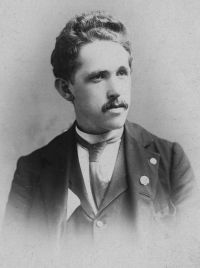
James F. Morton

Biographical details

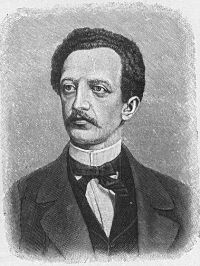
Portrait of James F. Morton James F. Morton Exempting the Churches

Not only is exemption from taxation a covert subsidy for the spread of doctrinal proselytism; not only does it place the state in the position of paying for the circulation of incomparably more error than truth; not only does it rob part of the community for the benefit of another part; not only does it violate the principles of justice and of impartiality as among the conflicting beliefs of its various citizens; not only does it force the taxpayers to support religion, whether they wish to do so or not; not only does it unite church and state in defiance of democracy and equal liberty
Source: Gutenberg

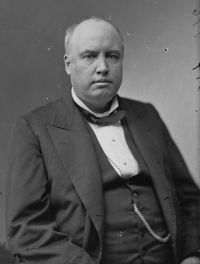
Portrait of James F. Morton James F. Morton Exempting the Churches

To them, at least, Christianity is no longer a religion for the poor and disinherited of earth, but the special enjoyment of idle wealth and heartless vanity.
What New York lacks in number of churches to the population, it makes up in the luxurious elegance of those it does possess. Its houses of worship are magnificent religious clubs for worship on the de luxe plan. What the poor, wandering Nazarene, if any credence is to be placed in the story of his life, would have said to this cynical burlesque of his teachings, may be left to the imagination.
Source: Gutenberg

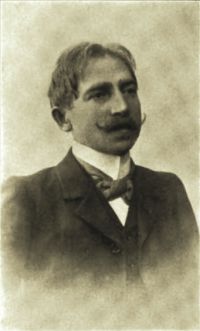
Portrait of James F. Morton James F. Morton Exempting the Churches

In any community where human beings are found vile enough to wish to destroy what they can of the happiness of all who do not pronounce their shibboleth, they can only resort to private activity in the way of ostracism, boycott, blacklisting and other weapons of cowardly malignance; and the state gives them no countenance in their criminal enterprises. It is our proud boast that in this land of freedom the state protects every person in the full exercise of his right to choose his own religion, and to abstain from recognition of any other.
Source: Gutenberg

Get perspective with Kwize: daily news enlightened by great literature