A boycott signifies the collective refusal to participate economically or socially with entities perceived as unjust, often serving as a tool for political, moral, or labor advocacy. From Sri Aurobindo’s characterization of boycott as a "measure of economic protection" in India’s independence movement to John A. Hall’s appeal for workers to avoid businesses opposing their rights, the concept has traversed ideological and practical dimensions.
Theoretical analyses, such as Charles J. Callan’s ethical evaluation of boycotts as non-compulsory forms of resistance, contrast with legal assessments like William J. Brennan, Jr.’s review of secondary boycotts in labor conflicts. These diverse viewpoints highlight a theme centered on power relations, moral decision-making, and group action.
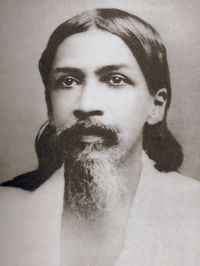 Sri Aurobindo,
Speech at the Hughly Conference
(1909)
Sri Aurobindo,
Speech at the Hughly Conference
(1909)