John Thomas

Biographical details

John Thomas,  Anastasis: A Treatise on the Judgment of the Dead at the Appearing of Christ (1935)

“ The dust of sheol is not mortal, being devoid of any kind of life. The dust is incorruptible and would continue as it is, and as it has been for thousands of years, without change indefinitely. It is not the incorruptible that is to be swallowed up of life, but the mortal. It is evident, then, that the thing which comes forth from the grave must be mortal flesh, or body; and that it is this which is to be "clothed upon," or to "put on incorruptibility and life," in being quickened after judgment. ”
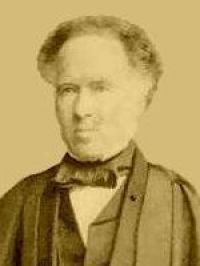
Source: Wikisource

John Thomas,  Anastasis: A Treatise on the Judgment of the Dead at the Appearing of Christ (1935)

“ But some, while they confess that there will be resurrection, in the same breath in which they pray you to "have patience with them, because they are thick-headed," boisterously and positively assert that on the dust of dead ones awakening to life, they spring forth from their graves incorruptible and immortal; so that, manifestly, according to them, Paul was not treating of body, but simply of incorporeal dust, when he says, "this corruptible must put on incorruption, and this mortal must put on immortality!" ”
Source: Wikisource

John Thomas,  A Dictionary of Music and Musicians (1900)

“ There is no denying that Welsh music is more artistic than either that of the Scotch or the Irish, and on that account it may, to a superficial observer, appear more modern; but to those who are acquainted with the harp, the national instrument of Wales, with its perfect diatonic scale, the apparent inconsistency disappears. ”
Source: Wikisource

Get perspective with Kwize: daily news enlightened by great literature