Mary Newbury Adams

Biographical details

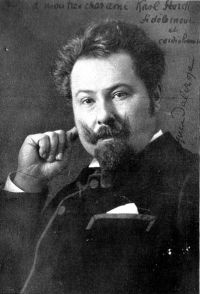
Portrait of Mary Newbury Adams Mary Newbury Adams Austin Adams (1891)

The motives which guided him could be the motives of the humblest, poorest man—a rational life with cheap living. In his home and society his efforts were put forth to secure a suitable environment for such moral happy life, free from fanaticism and ignorant superstition, that would enable one to enter the eternal life of thought and aspiration with energy while in the body. All inventions, travels for knowledge, and efforts of the human mind, interested him, that led to the inheritance, through appreciation, of the earth and its law, order and beauty.
Source: Wikisource

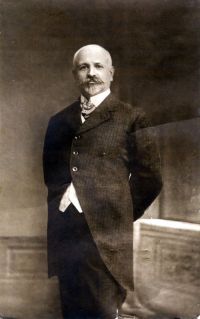
Portrait of Mary Newbury Adams Mary Newbury Adams Austin Adams (1891)

The event looked forward to by this boy was not the circus but the meeting of Court, seeing the austere men of law adjust society to peace and progress. The instincts of his childhood and his enlightened reason led him to the faith that authority must be divinity, that the human mind must be divine else collected ballots are not authoritative. His whole life was permeated with this faith. He was not a reformer but a meliorator.
He wrote: "Social science in its ideal result will bring every individual to perfection through social effort."
Source: Wikisource

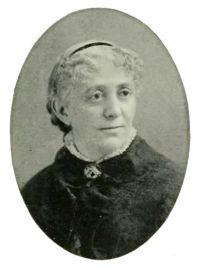
Portrait of Mary Newbury Adams Mary Newbury Adams Austin Adams (1891)

He could harmonize with Catholic or Protestant, Jew or Gentile or Buddhist, any who had a definite spiritual faith, but with the irreverent, those incapable of perceiving the spirit animating humanity and had no faith in God or man, he found little in common. His philosophy and religion were part of the warp and woof of his life, and were exemplified in every act, but as was characteristic of him, he said very little about it, but insisted on the sacrifice of personal appetite, desire and taste if such came in conflict with the good of society.
Source: Wikisource

Get perspective with Kwize: daily news enlightened by great literature