William Cranch

Biographical details

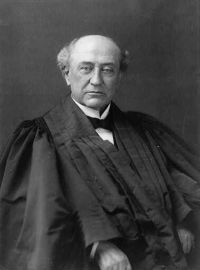
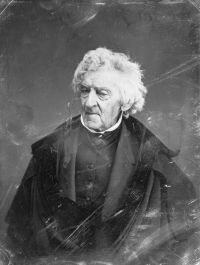
Portrait of William Cranch William Cranch,  Stettinius v. United States — opinion (1839)

“ It is true that the court cannot control the jury in giving their verdict, nor compel them to find a special verdict. The only remedy for a verdict contrary to law, is a new trial; for no appeal or writ of error lies from the verdict of a jury; but for a general verdict of not guilty, upon the general issue, in a criminal case, there is no remedy; for the process of attaint is now obsolete in England, and, we believe, never has been resorted to in this country ”
Source: Wikisource

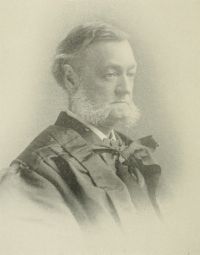
Portrait of William Cranch William Cranch,  Stettinius v. United States — opinion (1839)

“ Whenever, by the pleadings, the law was separated from the fact, so that each could be seen and considered by itself, no [**15] pretence that the jury had a right to decide the pure unmixed question of law, has ever been set up by the wildest advocate of the rights of juries. In the trial of the impeachment of Judge Chase, Mr. Randolph, one of the managers of the prosecution, in speaking of this right of juries to decide the law, calls it "their undeniable right of deciding upon the law as well as the fact necessarily involved in a general verdict." ”
Source: Wikisource

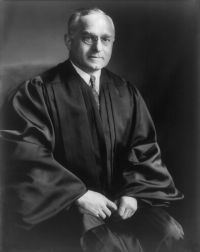
Portrait of William Cranch William Cranch,  United States v. Fenwick — opinion (1836)

“ That the excitement, whatever might be the cause, was no justification of the intended force and violence. That the intent to seize Snow, by force, for uttering slanderous or offensive words, and to carry him, by force, anywhere, even before a justice of the peace, without legal warrant, if such case should be proved to the satisfaction of the jury, was an unlawful intent. That the intent may be presumed from the act; for every man is presumed to have intended to do what he has done, until the contrary is proved. ”
Source: Wikisource

Get perspective with Kwize: daily news enlightened by great literature