Paper currency

Definition and stakes

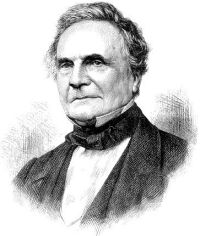
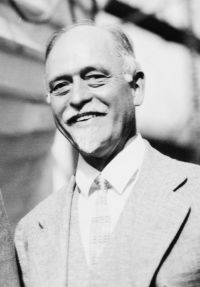
Portrait of John Stuart Mill John Stuart Mill,  Principles of Political Economy (1871)

“ When the gold or silver has all gone from circulation, and an equal quantity of paper has taken its place, suppose that a still further issue is superadded. The same series of phenomena recommences: prices rise, among the rest the prices of gold and silver articles, and it becomes an object as before to procure coin in order to convert it into bullion. There is no longer any coin in circulation; but if the paper currency is convertible, coin may still be obtained from the issuers, in exchange for notes. ”
Source: Wikisource

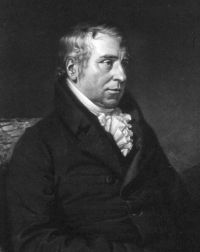
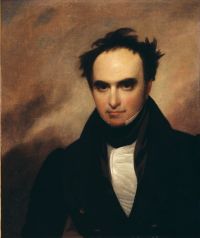
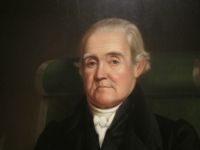
Portrait of Noah Webster Noah Webster,  A Collection of Essays and Fugitiv Writings

“ No paper should circulate in a commercial country, which is not a representativ of ready cash; it must at least command punctual interest, and security of the principal when demanded. Without these requisits, all notes will certainly depreciate. Most of our public securities want all the requisits of a paper currency. [pg 111] But if they did not; if they were equal in value to bank notes or specie, still the sums are much too large for a circulating medium in America. ”
Source: Gutenberg

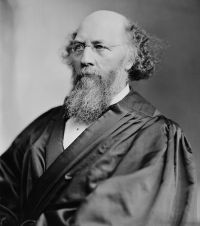
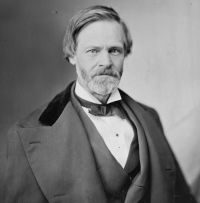
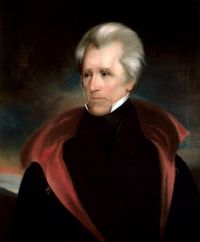
Portrait of Carl Schurz Carl Schurz,  The Issues of 1874, Especially in Missouri (1874)

“ The value of an irredeemable paper currency constantly fluctuates. The importer of goods, the merchant, the manufacturer, when offering their articles for sale, first add to the price, at which they would sell under specie payments, the premium on gold. But they know also that they run the risk of the fluctuation and possible depreciation of the paper money they get for their goods, so that, if they sell on time, the sum of paper money they receive in payment, when the purchaser pays his note, may not represent the same gold value which the same nominal sum represented when the sale was made. ”
Source: Wikisource

Get perspective with Kwize: daily news enlightened by great literature