Summary

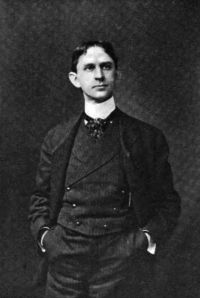
Portrait of Albert Bigelow Paine Albert Bigelow Paine Mark Twain: A Biography. Volume II, Part 1…

The world has a weakness for its illusions: the splendor that falls on castle walls, the glory of the hills at evening, the pathos of the days that are no more. It answers to tenderness, even on the page of humor, and to genuine enthusiasm, sharply sensing the lack of these things; instinctively resenting, even when most amused by it, extravagance and burlesque. The Innocents Abroad is more soul-satisfying than its successor, more poetic; more sentimental, if you will. The Tramp contains better English usage, without doubt, but it is less full of happiness and bloom and the halo of romance.
Source: Gutenberg

Portrait of Albert Bigelow Paine Albert Bigelow Paine Mark Twain: A Biography. Volume II, Part 1…

It was a story of a sort and with a setting that Mark Twain loved, and as he read there came a correlative idea. Not only would he disguise a prince as a beggar, but a beggar as a prince. He would have them change places in the world, and each learn the burdens of the other's life.— [There is no point of resemblance between the Prince and the Pauper and the tale that inspired it. No one would ever guess that the one had grown out of the readings of the other, and no comparison of any sort is possible between them.]
Source: Gutenberg

Portrait of Albert Bigelow Paine Albert Bigelow Paine Mark Twain: A Biography. Volume II, Part 1…

The individual is pervaded, dominated for a time by an angel or an imp, and he seldom, of himself, is able to discriminate between his controls. A literary imp was always lying in wait for Mark Twain; the imp of the burlesque, tempting him to do the 'outre', the outlandish, the shocking thing. It was this that Olivia Clemens had to labor hardest against: the cheapening of his own high purpose with an extravagant false note, at which sincerity, conviction, and artistic harmony took wings and fled away.
Source: Gutenberg

Get perspective with Kwize: daily news enlightened by great literature