“ PLATE VIII.—LA LAITIÈRE“La Laitière,” or “The Milkmaid,” may perhaps be given as quite the most representative of Greuze’s works. The affected pose and simpering smile, the unsuitability and over-arrangement of the dress, are as characteristic of the painter as the perfect grace of the ensemble, the delicious coquetry of the attitude, the dimpled roundness of the form, and, above all, the sparkle in the clear eyes and the exquisite bloom of the flesh. The picture is in the Louvre. ”
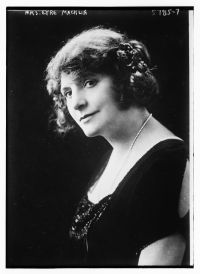
Alys Eyre Macklin
Summary
Quotes from Greuze (Alys Eyre Macklin)
“ In the theatrical moral pictures, for example, it never seems to have occurred to him that each scene that would tell a story is composed of a whole series of emotions and gestures, and that to try to fix on one canvas a situation which of its nature must be mobile and composed of many changes, is to attempt the false as well as the impossible. Further, even taking him as Diderot’s disciple, “a painter who studied with a literary man,” he is grievously at fault, for the idea of life he conveys is that of a melodrama in which vice is invariably punished and virtue rewarded—and life is not thus. ”
“ THE ART OF GREUZE When you think of the important place held by Greuze before the Revolution in the art of the eighteenth century, above all, when you reflect on how, being long dead, he still speaks in accents of such beauty, his pictures, valued at vast sums, finding honoured places in the art treasure-houses of the world, it comes almost as a shock to consider how far from being a really great artist he was. ”
