Summary

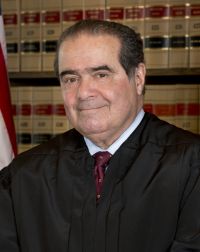
Portrait of Antonin Scalia Antonin Scalia Hodgson v. Minnesota — Concurring Opinion

Protection of the right of each parent to participate in the upbringing of her or his own children is a further discrete interest that the State recognizes by the statute. The common law historically has given recognition to the right of parents, not merely to be notified of their children's actions, but to speak and act on their behalf. Absent a showing of neglect or abuse, a father "possessed the paramount right to the custody and control of his minor children, and to superintend their education and nurture."
Source: Wikisource

Portrait of Antonin Scalia Antonin Scalia Hodgson v. Minnesota — Concurring Opinion

We have recognized, of course, that there are limits to the constitutional right of parents to have custody of, or to participate in decisions affecting, their children. If a parent has relinquished the opportunity to develop a relationship with the child, and his or her only link to the child is biological, the Constitution does not require a State to allow parental participation.
Source: Wikisource

Portrait of Antonin Scalia Antonin Scalia Hodgson v. Minnesota — Concurring Opinion

It is true that for all too many young women the prospect of two parents, perhaps even one parent, sustaining her with support that is compassionate and committed is an illusion. Statistics on drug and alcohol abuse by parents and documentations of child neglect and mistreatment are but fragments of the evidence showing the tragic reality that becomes day-to-day life for thousands of minors. But the Court errs in serious degree when it commands its own solution to the cruel consequences of individual misconduct, parental failure, and social ills.
Source: Wikisource

Get perspective with Kwize: daily news enlightened by great literature