Summary

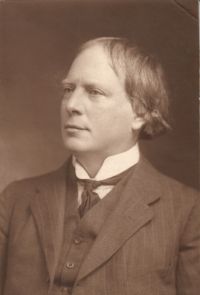
Portrait of Arthur Machen Arthur Machen The Shining Pyramid (collection… (1923)

When there is a true symbol truly displayed there is art. The symbol may be in terms of the darkest pits of human misery and squalor and wickedness, or it may be in terms of the Holy Places. There are seekers for precious stones, not after the flesh nor after the manner of South Africa, who discover jewels in the cesspools and the gutters, for whom there are right Orient pearls "exceeding rich and rare," shining in the foulest middens of humanity.
Source: Wikisource

Portrait of Arthur Machen Arthur Machen The Shining Pyramid (collection… (1923)

I noted a week ago the curious fact that man alone of all creatures has the power of dispossessing himself of his high privileges. He is the nightingale that, if he will, may bray like an ass.
Literature, then, is (as are all the arts) a book intus et foris scriptus. The surface is plain for all to see—comical, or tragical, or tragical-comical. Within are to be found the great secrets of the nature of man, the symbols of our true and essential being; and so all fine literature is profoundly and truly realistic.
Source: Wikisource

Portrait of Arthur Machen Arthur Machen The Shining Pyramid (collection… (1923)

Perhaps I had better explain, by the way, that my phrase about those who find jewels in the gutter is not intended to be an echo of the Banished Duke's most amiable remarks as to finding sermons in stones and good in everything; I do not mean that the moral virtues often exist amidst very deplorable surroundings. I mean that "Wuthering Heights" is a work of supreme genius—a somewhat different matter.
True art, then, is symbolical and realist; and as an example in literature, we may take the "Arabian Nights" as a splendid and typical piece of realism.
Source: Wikisource

Get perspective with Kwize: daily news enlightened by great literature