Summary

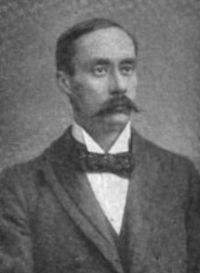
Portrait of C. Lewis Hind C. Lewis Hind Turner: Five letters and a postscript

What would they have said had they known that Ruskin, the champion of Turner, the foe of Impressionism, when, in 1856, he sifted the nineteen thousand Turner water-colours, drawings, studies, and the "unfinished" paintings, had condemned the sunshine and atmosphere canvases now in the Tate Gallery to half a century of obscurity, because in his opinion they were "unfinished." Turner purposely left them unfinished and elusive as sunrise itself, momentary impressions of the glory of the world. The sun is new each day, ever uncompleted: so are these records of the flame of Turner.
Source: Gutenberg

Portrait of C. Lewis Hind C. Lewis Hind Turner: Five letters and a postscript

There is a small, neglected room in the National Gallery where certain beginnings and failures in art are entombed. If you were to stroll into that sepulchre on a dark day, I fear you would exclaim that "Buttermere Lake" is bright compared with those other early Turners "Morning on Coniston Fells" and "Moonlight: a Study at Millbank." Even on early March afternoons, when the sun strikes through the tall windows and falls upon "Moonlight at Millbank," little is visible on the small, sooty canvas except the full moon, looking like a discoloured white wafer stuck upon the dim sky.
Source: Gutenberg

Portrait of C. Lewis Hind C. Lewis Hind Turner: Five letters and a postscript

Then we talked of Turner's water-colours. Had he never composed the "Liber Studiorum"; never produced gorgeous dreams of glowing colour in his oil pictures; never with veils of luminous paint flashed sunrise upon white canvases; never done a moonlight, or white sails billowing over a wet sea, he would, in his water-colours, have earned the title of father of modern landscape and of Impressionism.
Source: Gutenberg

Get perspective with Kwize: daily news enlightened by great literature