Summary

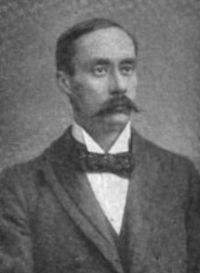
Portrait of C. Lewis Hind C. Lewis Hind Turner's Golden Visions

When the boy, who loved the view of 'Orvieto' more than any picture he had ever seen, began to study Turner's art life he amused and confused himself by dividing it, as all his biographers have done, into periods. These he simplified into two broad divisions, first when this ever-ambitious painter pitted himself against his predecessors and contemporaries, and later when, entirely disregarding the works of man, he faced Nature, and challenged nothing less than the source of all light and colour—the sun.
Turner's art life shows no sudden rush of genius.
Source: Gutenberg

Portrait of C. Lewis Hind C. Lewis Hind Turner's Golden Visions

So passed the greatest of all landscape painters, weary of men and of orthodox ways, an old man tired of the fret of life, but not tired of nature, an enthusiast to the end in his study of light and its brother colour, and all phenomena, that which is plain to the eyes, and that which hides. Sentiment was in heyday in 1851, and so David Bogue, who made the picture of the 'house where Turner died, sent a ray of sunlight streaming down to the Chelsea room by the river, as if a parent were smiling on a loving and life-loyal child.
Source: Gutenberg

Portrait of C. Lewis Hind C. Lewis Hind Turner's Golden Visions

This is his joy—to touch a young heart to ecstasy, ay! even by a second-rate picture, and to keep in that young heart a vision that the world and time can never destroy, and that a visit to the place cannot dispel. To that boy Turner's 'Orvieto' meant Italy: since he has become a man he has wandered through Italy again and again from end to end, but even now if he wishes to recall Italy, to be kindled by the thought of that word meaning so much to Englishmen, he still turns to Turner's picture. For him it cannot fade: it cannot change.
Source: Gutenberg

Get perspective with Kwize: daily news enlightened by great literature