Summary

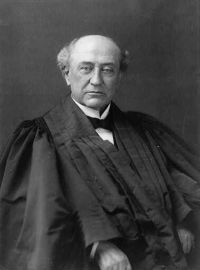
Portrait of David Josiah Brewer David Josiah Brewer Leisy v. Hardin — Opinion of the Court

But an intention is not lightly to be imputed to the framers of the constitution, or to the congress of the United States, to subordinate the protection of the safety, health, and morals of the people to the promotion of trade and commerce. The police power extends to the control and regulation of things which, when used in a lawful and proper manner, are subjects of property and of commerce, and yet may be used so as to be injurious or dangerous to the public safety, the public health, or the public morals.
Source: Wikisource

Portrait of David Josiah Brewer David Josiah Brewer Leisy v. Hardin — Opinion of the Court

That ardent spirits, distilled liquors, ale, and beer are subjects of exchange, barter, and tariff, like any other commodity in which a right of traffic exists, and are so recognized by the usages of the commercial world, the laws of congress, and the decisions of courts, is not denied. Being thus articles of commerce, can a state, in the absence of legislation on the part of congress, prohibit their importation from abroad or from a sister state? or, when imported, prohibit their sale by the importer?
Source: Wikisource

Portrait of David Josiah Brewer David Josiah Brewer Leisy v. Hardin — Opinion of the Court

On the contrary, it is an attempt to exert that jurisdiction over persons and property within the limits of other states. It seeks to prohibit and stop their passage and importation into its own limits, and is designed as a regulation for the conduct of commerce before the merchandise is brought to its border.' 'But the right to prohibit sales, so far as conceded to the states, arises only after the act of transportation has terminated, because the sales which the state may forbid are of things within its jurisdiction.
Source: Wikisource

Get perspective with Kwize: daily news enlightened by great literature