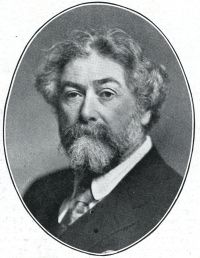
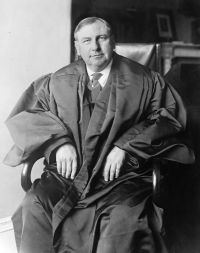
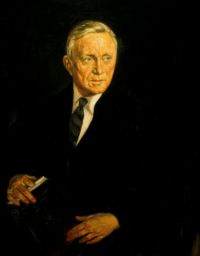
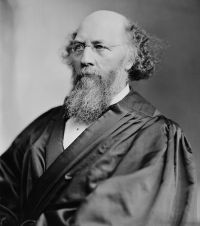
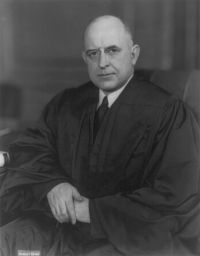
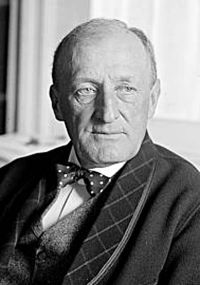
Interstate commerce refers to the movement of goods, services, and people across state boundaries, involving a variety of transportation methods and economic activities. Legal scholars and jurists have long debated its regulatory scope, as illustrated by Harlan Fiske Stone’s claim of federal authority to prevent monopolistic interference, or William O.
Douglas’s detailed analysis of the relationship between state and federal governance. Theodore Roosevelt highlighted its national importance, while William Bennett Munro offered a thorough definition, differentiating it from intrastate operations. These viewpoints together emphasize the topic’s importance in constitutional law and economic policy, demonstrating a complex balance between federal regulation and local self-governance.