Summary

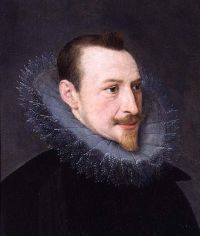
Portrait of Edmund Spenser Edmund Spenser,  The Faerie Queen — Notes

“ Duessa pursues the Redcross Knight, and overtakes him sitting by an enchanted fountain, weary and disarmed. He is beguiled into drinking from the fountain, and is quickly deprived of strength. In this unnerved and unarmed condition he is suddenly set upon by the giant Orgoglio. After a hopeless struggle he is struck down by the giant's club and is thrust into a dungeon. ”
Source: Wikisource

Portrait of Edmund Spenser Edmund Spenser,  The Faerie Queen — Notes

“ The Soul is brought by the Truth to a knowledge of the Heavenly Life (Cœlia) , and is led, through repentance, to seek forgiveness and to desire a holier life. Having learned Faith and Hope, it acquires a zeal for Good Works (Charity) , and is strengthened by exercising Patience and Repentance. At last it enjoys a mood of happy Contemplation of the past with bright prospects for the future. The whole canto sets forth the beauty in a life of faith combined with good deeds.
2. The religious allegory presents the doctrine, discipline, and spirit of Protestantism in the sixteenth century.
”
Source: Wikisource

Portrait of Edmund Spenser Edmund Spenser,  The Faerie Queen — Notes

“ The moral allegory in Canto VII presents the transition of the Soul (Redcross) from Pride to Sin (Duessa) through distrust of Truth (Una) , and it thus comes into the bondage of Carnal Pride (Orgoglio) . In Canto IX the Soul suffers a similar change from Sin to Despair. Having escaped from actual sin, but with spiritual life weakened, it almost falls a victim to Despair through excess of confidence and zeal to perform some good action. The Soul is saved by Truth, by which it is reminded to depend on the grace of God. ”
Source: Wikisource

Get perspective with Kwize: daily news enlightened by great literature