Hyperbole, a rhetorical device that uses intentional exaggeration, serves to highlight, provoke emotion, or generate vivid imagery, usually not intended to be taken literally. From Emerson’s patriotic declaration in Concord Hymn—“the shot heard round the world”—to Vonnegut’s apocalyptic description in Slaughterhouse-Five (“Dresden was like the moon now”), writers have employed hyperbole to enhance effect.
While Priestley criticized its excessive use as “sheer nonsense,” others, like Painter, recognized its function in adding “piquancy and force” to language. This technique, with origins in classical rhetoric, continues to be a common element in literature, advertising, and daily conversation, connecting the literal and the imaginative through deliberate exaggeration.
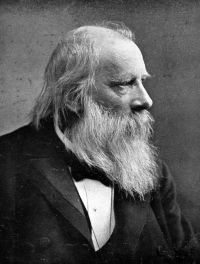 Jaroslav Vrchlický,
Poet Lore
(1913)
Jaroslav Vrchlický,
Poet Lore
(1913)