Summary

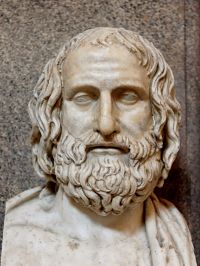
Portrait of Euripides Euripides,  Alcestis (Murray) — Introduction (1915)

“ What was Admetus really like, this gallant prince who had won the affection of such great guests as Apollo and Heracles, and yet went round asking other people to die for him; who, in particular, accepted his wife's monstrous sacrifice with satisfaction and gratitude? The play portrays him well. Generous, innocent, artistic, affectionate, eloquent, impulsive, a good deal spoilt, unconsciously insincere, and no doubt fundamentally selfish, he hates the thought of dying and he hates losing his wife almost as much. Why need she die? ”
Source: Wikisource

Portrait of Euripides Euripides,  Alcestis (Murray) — Introduction (1915)

“ And when Admetus has made a thrilling answer about eternal sorrow, and the silencing of lyre and lute, and the statue who shall be his only bride, Alcestis earnestly calls the attention of witnesses to the fact that he has sworn not to marry again. She is not an artist like Admetus. There is poetry in her, because poetry comes unconsciously out of deep feeling, but there is no artistic eloquence. Her love, too, is quite different from his. ”
Source: Wikisource

Portrait of Euripides Euripides,  Alcestis (Murray) — Introduction (1915)

“ The beauty of Alcestis is quite untouched by the dramatist's keener analysis. The strong light only increases its effect. Yet she is not by any means a mere blameless ideal heroine; and the character which Euripides gives her makes an admirable foil to that of Admetus. Where he is passionate and romantic, she is simple and homely. While he is still refusing to admit the facts and beseeching her not to "desert" him, she in a gentle but businesslike way makes him promise to take care of the children and, above all things, not to marry again. She could not possibly trust Admetus's choice. ”
Source: Wikisource

Get perspective with Kwize: daily news enlightened by great literature