Franz Boas’s The American Journal of Psychology examines the complex connections between social structures, cognitive processes, and cultural evolution, analyzing how societal norms influence individual actions and shared traditions. Through studies of totemism, taboos, and the development of ideas such as illness or modesty, Boas explores the mental frameworks that support human societies, stressing the significance of habitual conduct and selfless intentions.
His research connects anthropology with psychology, illustrating how historical and environmental factors shape cultural practices and mental traits. By analyzing the interaction between personal initiative and social adherence, Boas highlights the evolving balance between tradition and psychological flexibility, providing a model for understanding the emergence of human cognition and societal transformation.
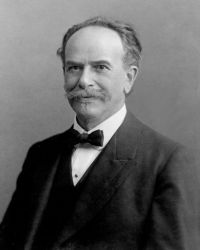 Franz Boas,
The American Journal of Psychology
(1910)
Franz Boas,
The American Journal of Psychology
(1910)
