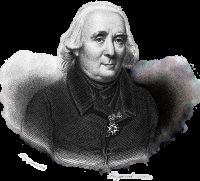
Gervais de La Rue

Gervais de La Rue

Summary

Portrait of Gervais de La Rue Gervais de La Rue,  Archaeologia (1800)

“ The brilliant reputation she had acquired by her Lays had, no doubt, determined William to solicit a similar translation of Æsopian Fables, which then existed in the English language. She, who in her Lays had painted the manners of her age with so much nature and fidelity, would find no difficulty in succeeding in this kind of apologue. Both require that penetrating glance which can distinguish the different passions of mankind; can seize upon the varied forms which they assume, and, marking the objects of their attention, discover at the same moment the means they employ to attain them. ”
Source: Wikisource

Portrait of Gervais de La Rue Gervais de La Rue,  Archaeologia (1800)

“ Mary herself terms her work a translation, she glories in the enterprize, and, if it had been only in part the labour of her genius, can it be imagined that she would have passed over that circumstance in silence? When a person takes a pride in the character of a translator, self- love would hardly permit him to make a sacrifice of that of author, if he could claim it. Again, Denis Piramus, who commends the rich and fertile genius of Mary, does it in her Lays, and not in the fables which she had merely translated. ”
Source: Wikisource

Portrait of Gervais de La Rue Gervais de La Rue,  Archaeologia (1800)

“ But Mary did not only possess a most refined taste, she had also to boast of a mind of sensibility. The English muse seems to have inspired her; all her subjects are sad and melancholy; she appears to have designed to melt the hearts of her readers, either by the unfortunate situation of her hero, or by some truly afflicting catastrophe. Thus she always speaks to the soul, calls forth all its feelings, and very frequently throws it into the utmost consternation.
Fauchet was unacquainted with the lays of Mary, for he only mentions her fables [12] .
”
Source: Wikisource

Get perspective with Kwize: daily news enlightened by great literature