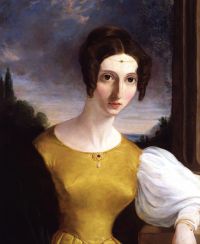
Harriet Taylor Mill

Harriet Taylor Mill

Summary

Portrait of Harriet Taylor Mill Harriet Taylor Mill Enfranchisement of women (1868)

How rarely is the wife’s influence on the side of public virtue! how rarely does it do otherwise than discourage any effort of principle by which the private interests or worldly vanities of the family can be expected to suffer! Public spirit, sense of duty towards the public good, is, of all virtues, as women are now educated and situated, the most rarely to be found among them; they have seldom even, what in men is often a partial substitute for public spirit, a sense of personal honor connected with any public duty.
Source: Gutenberg

Portrait of Harriet Taylor Mill Harriet Taylor Mill Enfranchisement of women (1852)

To make laws compelling people to follow their inclination, has not hitherto been thought necessary by any legislator. The plea that women do not desire any change, is the same that has been urged, times out of mind, against the proposal of abolishing any social evil—"there is no complaint;" which is generally not true, and when true, only so because there is not that hope of success, without which complaint seldom makes itself audible to unwilling ears. How does the objector know that women do not desire equality and freedom?
Source: Wikisource

Portrait of Harriet Taylor Mill Harriet Taylor Mill Enfranchisement of women (1852)

For with what truth or rationality could the suffrage be termed universal, while half the human species remain excluded from it? To declare that a voice in the government is the right of all, and demand it only for a part—the part, namely, to which the claimant himself belongs—is to renounce even the appearance of principle. The chartist who denies the suffrage to women, is a chartist only because he is not a lord
Source: Wikisource

Get perspective with Kwize: daily news enlightened by great literature