Universal suffrage, the principle of granting all adult citizens the right to vote, embodies democratic ideals of equality and collective sovereignty. Historically, it evolved from restrictive property-based systems to broader inclusivity, as seen in 19th-century campaigns for male and female suffrage, notably in New Zealand and South Australia. Authors like William Hazlitt emphasized its collective power, while Wendell Phillips cautioned about societal challenges to its success.
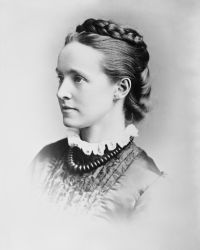
Millicent Garrett Fawcett and Elizabeth Cady Stanton associated it with gender equality, and François Guizot debated its effectiveness in governance. Thomas Kirkup saw it as a reflection of popular will. The concept remains a dynamic interplay between ideal and practice, illustrating ongoing efforts to expand voting rights across race, gender, and class.