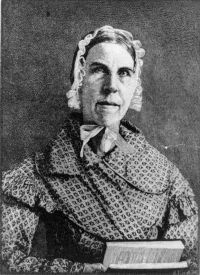
Gender equality, the principle of equal access to resources and opportunities regardless of sex, highlights the value of all individuals irrespective of gender. From John Stuart Mill’s advocacy for legal equity in The Subjection of Women to Sarah Grimké’s assertion of women’s moral and intellectual equality, writers have long discussed its implications.
Eliza Burt Gamble connected it to justice, while the Shakers demonstrated practical equality through shared leadership. Modern efforts, from UN programs to feminist movements, reflect its lasting significance as both a human right and an ongoing quest for societal change.
 Bill Clinton,
Proclamation 6872
Bill Clinton,
Proclamation 6872