Summary

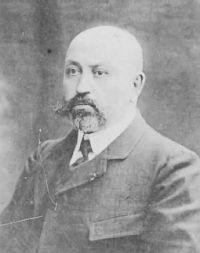
Portrait of Henri Bouchot Henri Bouchot The Printed Book: Its History, Illustration and Adornment

Made popular by engraving by Pesne, Audran, Poilly, Edelinck, and a hundred others, this tendency overran everything: art and industry, painting and tapestry, illustration and typography itself. All was grand, in reverse of other times, when all was small and mean. The embellishments of the Book were full of gods in perukes and goddesses in armour, Louis XIV. as Apollo, as the sun illuminating the world. "Nec pluribus impar" was not the device of one man; it was the mighty and glorious cry of a whole people, from great to small, from the sublime painter to the modest printer.
Source: Gutenberg

Portrait of Henri Bouchot Henri Bouchot The Printed Book: Its History, Illustration and Adornment

LIKE its forerunner, Painting, the Book has ever been the most faithful reflection of the times when it was written and illustrated. Natural and genuine from the first, and simply embellished with crude illustrations, it assumed in the sixteenth century the grand airs of the Renaissance, gay or serious according to circumstances, decked in what were then called histoires—that is to say, wonderful engravings—and daintily printed in Gothic, Roman, or choice Italic characters.
Source: Gutenberg

Portrait of Henri Bouchot Henri Bouchot The Printed Book: Its History, Illustration and Adornment

To put type within an engraved title, or to ornament a printed text with engravings, is a heresy of principle that was established in the eighteenth century, by the strength of its cleverness and talent. But at the beginning of the seventeenth, in spite of Leonard Gaultier or Thomas de Leu, these overloaded titles, overpowering the opening of the Book, offend the eye by their excessive blackness, and incontestably make us regret the admirable frontispiece on wood of the preceding century.
Source: Gutenberg

Get perspective with Kwize: daily news enlightened by great literature