Summary

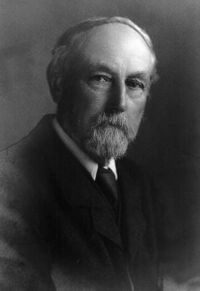
Portrait of Henry S. Salt Henry S. Salt The Call of the Wildflower

There is no more inspiring pastime than flower-gazing under the high crags of Snowdon. The love of flowers reveals a new and delightful aspect of the mountain life, and leads its votaries into steeps and wilds which, as they lie aloof from the usual ways of the climber, might otherwise escape notice. It must be owned that our Cumbrian and Cambrian hills are not rich in flowers as Switzerland is rich; one cannot here step out on the mountain-side and see great sheets of colour, as on some Alpine slope; and not only must we search for our treasures, but we must know where to search.
Source: Gutenberg

Portrait of Henry S. Salt Henry S. Salt The Call of the Wildflower

Even so it is with these wayward streams that course down the sides of Ingleborough. Just when one is on the best of terms with them, they vanish and are no more.
But with the bird's-eye primrose tinging hillsides and hollows with its tender hue of pink, no other companionship was needed. A mountain flower, it is the fairest of all the Primulaceæ, that band of fair sisters to which it belongs—primrose, cowslip, pimpernel, loosestrife, and money-wort—all beautiful and all favourites among young and old alike, whereever there is a love of flowers.
Source: Gutenberg

Portrait of Henry S. Salt Henry S. Salt The Call of the Wildflower

The domestication of plants, as of animals, is a concern of such practical importance that in most minds it quite transcends whatever interest may be felt in the beauty of wildflowers. But the many delights of the garden ought not to blind us to the fact that there is in the wild a peculiar quality which the domesticated can never reproduce, and that the plant which is free, even if it be the humblest and most common, has a charm for the nature-lover which the more gorgeous captives of the garden must inevitably lack. If much is gained by domestication, much is also lost.
Source: Gutenberg

Get perspective with Kwize: daily news enlightened by great literature