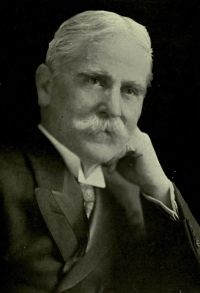
Henry Van Dyke

Henry Van Dyke

Summary

Portrait of Henry Van Dyke Henry Van Dyke What Peace Means

How vast, how immeasurable, are the responsibilities which this great victory in righteous war has laid upon the Allies and America. God help us to live up to them. God help us to sow the future not with dragon's teeth, but with seeds of blessed harvest. God paint upon the broken storm-cloud the rainbow of eternal hope. God help us and our friends to make a peace that shall mean good to all mankind. God send upon our victory the light of the cross of Christ our Saviour, where mercy and truth meet together, righteousness and peace kiss each other.
Source: Gutenberg

Portrait of Henry Van Dyke Henry Van Dyke What Peace Means

The faith in immortality sets a touch of the imperishable on every generous impulse and unselfish deed. It inspires to sublime and heroic virtues,—spiritual splendours,—deeds of sacrifice and suffering for which earth has no adequate recompense, but whose reward is great in heaven. Here is the patience of the saints, the glorious courage of patriots, martyrs, and confessors, something more bright and shining than secular morality can bring forth,—a flashing of the inward light which fails not, but grows clearer as death draws near. What noble evidences of this come to us out of the great war.
Source: Gutenberg

Portrait of Henry Van Dyke Henry Van Dyke What Peace Means

To deny this instinct is to deny that which lies at the very root of our life. If love perishes with death, then our affections are our worst curses, the world is the cruellest torture-house, and "all things work together for evil to those who love." Do you believe it? Is it possible? Nay, all that is best and noblest and purest within us rejects such a faith in Absolute Evil as the power that has created and rules the world. In the presence of love we feel that we behold that which must belong to a good God and therefore cannot die. Destruction cannot touch it.
Source: Gutenberg

Get perspective with Kwize: daily news enlightened by great literature