Summary

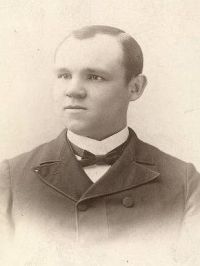
Portrait of James E. Talmage James E. Talmage,  Jesus the Christ — Chapter 29

“ But the Romans saw nothing to fear, perhaps much to smile at, in the spectacle of a King mounted upon an ass, and attended by subjects, who, though numerous, brandished no weapons but waved instead palm branches and myrtle sprigs. The ass has been designated in literature as "the ancient symbol of Jewish royalty," and one riding upon an ass as the type of peaceful progress.
Such triumphal entry of Jesus into the chief city of the Jews would have been strikingly inconsistent with the general tenor of His ministry in its early stages.
”
Source: Wikisource

Portrait of James E. Talmage James E. Talmage,  Jesus the Christ — Chapter 29

“ But Jesus, patiently tolerant of their human weaknesses, drew the Twelve around Him, and taught them as a loving father might instruct and admonish his contentious children. He showed them how earthly rulers, such as princes among the Gentiles, domineer over their subjects, manifesting lordship and arbitrarily exercizing the authority of office. But it was not to be so among the Master's servants; whoever of them would be great must be a servant indeed, willingly ministering unto his fellows; the humblest and most willing servant would be the chief of the servants. ”
Source: Wikisource

Portrait of James E. Talmage James E. Talmage,  Jesus the Christ — Chapter 29

“ Jesus explained by citing a striking illustration drawn from nature: "Verily, verily, I say unto you, Except a corn of wheat fall into the ground and die, it abideth alone: but if it die, it bringeth forth much fruit;" [35] The simile is an apt one,—and at once impressively simple and beautiful. A farmer who neglects or refuses to cast his wheat into the earth, because he wants to keep it, can have no increase; but if he sow the wheat in good rich soil, each living grain may multiply itself many fold, though of necessity the seed must be sacrificed in the process. ”
Source: Wikisource

Get perspective with Kwize: daily news enlightened by great literature