Summary

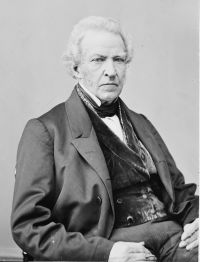
Portrait of James Moore Wayne James Moore Wayne Ringo v. Binns — Opinion of the Court

That the tenants on the land (who were made defendants by an amended bill) are mere tenants in possession; and the decree is for them to convey the legal title, i. e., that a decree for the legal title will not pass the possessory right! That a court of chancery has no jurisdiction over tenants in possession, but that the remedy is at law. The answer to this position is, that the bill does not name them, and aver that they are tenants in possession. They are made defendants, to do complete justice between all the parties in interest.
Source: Wikisource

Portrait of James Moore Wayne James Moore Wayne Ringo v. Binns — Opinion of the Court

If he obtained that knowledge while he was acting as agent for the appellees, there is no principle of equity which can preclude him from making a profit by the knowledge he had acquired; or which can convert Ringo into a trustee, holding the legal title for the use of the appellees. It might have been a friendly or benevolent act on the part of Ringo, on ascertaining that the appellees had no title, and that the land was vacant; to communicate the fact to the appellees, and advise them to purchase land warrants and locate them on the land.
Source: Wikisource

Portrait of James Moore Wayne James Moore Wayne Ringo v. Binns — Opinion of the Court

The effect of an entry is to give a party an equitable interest in the land located, to be clothed with the legal title only on the issuing of a grant or patent. Two parties entering the same land have each an equity; and if a subsequent locator should obtain a patent first, another maxim of equity will apply, that where the equity is equal, the law shall prevail, and his title to the lands is perfected; all equities being equal without regard to priority of time. The inequality proceeds from fraud or culpable laches
Source: Wikisource

Get perspective with Kwize: daily news enlightened by great literature