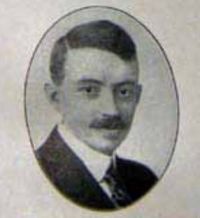
Jaroslav František Smetánka

Jaroslav František Smetánka

Summary

Portrait of Jaroslav František Smetánka Jaroslav František Smetánka The Czechoslovak Review (1917)

For three centuries the Czechs have suffered under the yoke of the foreigner; for nearly two centuries the same haughty, cruel foreigner held down Italy, a mere geographical expression, as he called it, and laughed at her aspirations to lead her own, free, national life. The great epic of modern Italy is its successful fight to throw off the domination of the hated Tedescos; the heroes Italy worships are the men who were leaders in the long drawn out fight against Austria.
Source: Wikisource

Portrait of Jaroslav František Smetánka Jaroslav František Smetánka The Czechoslovak Review (1917)

The flower of Bohemian manhood, hundreds of thousands of them, have been sacrificed to the insane pride and lust of conquest of the degenerate family of Hapsburgs, thousands of cripples, of men maimed and blind, walk the streets of Prague: children are dying of want, and the leaders of the nation are in jail or on the gallows. Every Bohemian, be he rich or poor, professor or peasant, is convinced that all these horrors were foolishly and recklessly caused by the alien emperor and the archdukes and courtiers that surround him.
Source: Wikisource

Portrait of Jaroslav František Smetánka Jaroslav František Smetánka The Czechoslovak Review (1917)

The militarists of Vienna forget that a nation wants to be not united only, but free, and that love of liberty is one of the strongest motives of human action. The most fruitful cause of wars will be abolished, when there will be no ruling races and no oppressed races.
The process of making Europe a family of nations must be carried on to completion. Let each people that possesses a national consciousness and sufficient enlightenment constitute an independent unit of that New Europe which will emerge from the smoke of the cannon after the final defeat of the Germans.
Source: Wikisource

Get perspective with Kwize: daily news enlightened by great literature