Summary

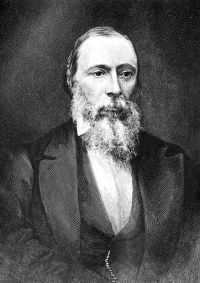
Portrait of Jean-Charles Houzeau Jean-Charles Houzeau The White Terror in Texas and my escape…

Caught all at once by surprise, regret, fear, she began to cry.
— Master, Master, she said, sobbing without first understanding the full extent of her misfortune, I am leased! What have I done to you? Did I not serve with loyalty and devotion? Is there a slave in your home as early as I? Are there many as bright or as industrious? Whatever you bid me, I do my best. I love this farm, I love my masters, and I cannot bring myself to leave."
— "Amanda, interrupted the planter sternly, obey."
Source: Wikisource

Portrait of Jean-Charles Houzeau Jean-Charles Houzeau The White Terror in Texas and my escape…

By chance I found myself, on the Colorado, in a large cotton plantation owned by a German immigrant named Von Lenz. Apart of forty slaves, some darker-skinned than others, assigned to physical work, there were two young people in the house, so mixed-blooded that everyone saw them as white people. Amanda and William, just at the bloom of youth, were raised among the family of the planter. To their natural gifts of character, they added acquired talent that made them valuable on the farm: one day they would have made ​​good stewards.
Source: Wikisource

Portrait of Jean-Charles Houzeau Jean-Charles Houzeau The White Terror in Texas and my escape…

We are told that intelligence, selflessness, humanity, are no longer being honored now, that manufacturers and their workers need affordable cotton, at long-term credit, and that they would also unite to stone, in full public square, those who would dare proclaim today in their manufacturing cities the principles that "All men are children of the same father who is God; men and women, nobles and slaves are also the angels of God; men and women are all brothers and sisters, therefore love your neighbor as yourself, and the divine law above all."
Source: Wikisource

Get perspective with Kwize: daily news enlightened by great literature