Summary

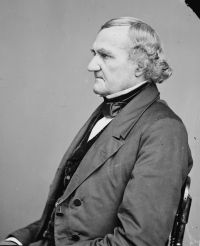
Portrait of John Catron John Catron Deshler v. Dodge — Dissent

Blackstone says, (vol. 4 135,) champart, in French law, signified a similar division of profits: 'In our sense of the word it signifies the purchasing of a suit, or right of suing; a practice so much abhorred by our law, that it is one main reason why a chose in action, or thing of which one hath the right, but not the possession, is not assignable at common law; because no man should purchase any pretence to sue in another's right.'
I am not aware that this, as a general rule, has been disputed.
Source: Wikisource

Portrait of John Catron John Catron Deshler v. Dodge — Dissent

As the four banks whose property was distrained were incapable of suing the tax-collector (who was citizen of Ohio) in the Circuit Court of the United States, they joined in a written transfer of the bank-notes to John G. Deshler, the plaintiff, a citizen of New York, and he obtained a writ of replevin, and process founded on it, out of the Circuit Court of the United States, and declared as a citizen of New York. The defendant Dodge pleaded in abatement, alleging that the causes of action are not within the jurisdiction of the court; to which plea, there was a demurrer.
Source: Wikisource

Portrait of John Catron John Catron Deshler v. Dodge — Dissent

The first question is, whether this plea in abatement is the proper defence, or should the plea have been in bar.
The plea sets forth the distress for taxes due and unpaid from the banks to the State; that the defendant Dodge was the tax-collector, and had the proper authority to make the distress, and did distrain, by virtue of his authority. By the laws of England, replevin does not lie for goods taken in execution; nor in cases where goods are taken by distress according to an act of parliament, this being in the nature of an execution. 7 Bac. Ab. Replevin and Avowry, C. 71
Source: Wikisource

Get perspective with Kwize: daily news enlightened by great literature