Summary

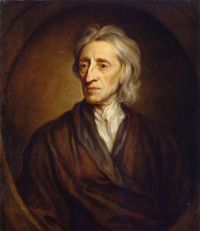
Portrait of John Locke John Locke An Essay Concerning Human Understanding…

That God has given a rule whereby men should govern themselves, I think there is nobody so brutish as to deny. He has a right to do it ; we are his creatures : he has goodness and wisdom to direct our actions to that which is best : and he has power to enforce it by rewards and punishments of infinite weight and duration in another life ; for nobody can take us out of his hands. This is the only true touchstone of moral rectitude ; and, by comparing them to this law, it is that men judge of the most considerable moral good or evil of their actions
Source: Wikisource

Portrait of John Locke John Locke An Essay Concerning Human Understanding…

By which confusion of these two distinct considerations under one term, those who yield too easily to the impressions of sounds, and are forward to take names for things, are often misled in their judgment of actions. Thus, the taking from another what is his, without his knowledge or allowance, is properly called stealing : but that name, being commonly understood to signify also the moral pravity of the action, and to denote its contrariety to the law, men are apt to condemn whatever they hear called stealing, as an ill action, disagreeing with the rule of right.
Source: Wikisource

Portrait of John Locke John Locke An Essay Concerning Human Understanding…

The penalties that attend the breach of God’s laws some, nay perhaps most men, seldom seriously reflect on : and amongst those that do, many, whilst they break the law, entertain thoughts of future reconciliation, and making their peace for such breaches. And as to the punishments due from the laws of the commonwealth, they frequently flatter themselves with the hopes of impunity. But no man escapes the punishment of their censure and dislike, who offends against the fashion and opinion of the company he keeps, and would recommend himself to.
Source: Wikisource

Get perspective with Kwize: daily news enlightened by great literature