Summary

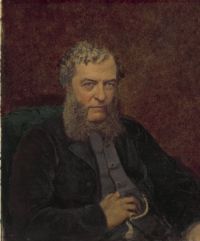
Portrait of John Lort Stokes John Lort Stokes Discoveries in Australia, Volume 2… (1846)

Some wild flying clouds that rapidly traversed the heavens imparted a curious alternation of light and shadow to the lowlands that presented themselves to our view—chequering the whole with gloomy patches and light spots, and revealing or hiding in rapid succession the extensive woods and the patches of cultivation that lay within the bosom of the Bay. The dazzling white sand beaches, too, strongly marked by the dark blue sea, heightened the beauty of the scene; which to us, who had for some months seen nothing but the monotonous north-west coast of Australia, appeared truly enchanting.
Source: Wikisource

Portrait of John Lort Stokes John Lort Stokes Discoveries in Australia, Volume 2… (1846)

Is it possible, thought I, that Timor and Australia, so different in the character of their scenery, can be such near neighbours, that these luxuriant valleys, nestling among the roots of these gigantic hills, are only separated by a narrow expanse of sea from those shores over which nature has strewed, with so niggard a hand, a soil capable of bearing the productions characteristic of the lat.s within which they lie?
Source: Wikisource

Portrait of John Lort Stokes John Lort Stokes Discoveries in Australia, Volume 2… (1846)

I regretted there was not time to visit Moresby's Flat-topped Range, as we might have got a glimpse of the good land reported by Captain Grey in the neighbourhood. The sides of the high lands look fertile over the sandhills of the bay; but through a spy-glass I found that they had a brown arid appearance and were destitute of timber.
I was forcibly struck with the resemblance between Moresby's Range, Sea Range on the Victoria, Cape Flattery on the north-east coast, and I may add, from Flinders' description, the cliffs forming the coast range at the head of the Australian Bight.
Source: Wikisource

Get perspective with Kwize: daily news enlightened by great literature