Summary

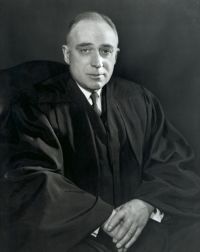
Portrait of John Marshall Harlan II John Marshall Harlan II Mitchell v. Robert De Mario Jewelry…

Respondents argue that, in the absence of a contrary contractual provision, an employee cannot recover lost wages owing to a discriminatory discharge, and that the jurisdiction here invoked is therefore to be regarded as 'punitive,' outside the function of equity unless expressly authorized by the statute. We intimate no view as to the validity of the premise, for it in no way supports the conclusion.
Source: Wikisource

Portrait of John Marshall Harlan II John Marshall Harlan II Mitchell v. Robert De Mario Jewelry…

In this context, the significance of reimbursement of lost wages becomes apparent. To an employee considering an attempt to secure his just wage deserts under the Act, the value of such an effort may pale when set against the prospect of discharge and the total loss of wages for the indeterminate period necessary to seek and obtain reinstatement.
Source: Wikisource

Portrait of John Marshall Harlan II John Marshall Harlan II Mitchell v. Robert De Mario Jewelry…

The proviso speaks entirely in terms of unpaid minimum wages and overtime. In effectuating the policies of the Act the proper reach of equity power in suits by the Secretary under the wage provisions of the statute, and that in suits under the discharge provisions, are attended by quite different considerations, which, in passing the 1949 amendments, Congress evidently had in mind.
Source: Wikisource

Get perspective with Kwize: daily news enlightened by great literature