Summary

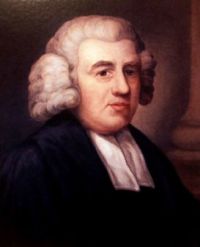
Portrait of John Newton John Newton Thoughts upon the African Slave Trade (1788)

But why do I speak of one child, when we have heard and read a melancholy story, too notoriously true to admit of contradiction, of more than a hundred grown slaves, thrown into the sea, at one time, from on board a ship, when fresh water was scarce; to fix the loss upon the Underwriters, which otherwise, had they died on board, must have fallen upon the Owners of the vessel. These instances are specimens of the spirit produced, by the African Trade, in men, who, once, were no more destitute of the milk of human kindness than ourselves.
Source: Wikisource

Portrait of John Newton John Newton Thoughts upon the African Slave Trade (1788)

Perhaps what I have said of myself may be applicable to the nation at large. The Slave Trade was always unjustifiable; but inattention and interest prevented, for a time, the evil from being perceived. It is otherwise at present; the mischiefs and evils, connected with it, have been, of late years, represented with such undeniable evidence, and are now, so generally known, that I suppose there is hardly an objection can be made, to the wish of thousands, perhaps of millions, for the suppression of this Trade, but upon the ground of political expedience.
Source: Wikisource

Portrait of John Newton John Newton Thoughts upon the African Slave Trade (1792)

An attempt to rise upon the ship’s company, brings on instantaneous and horrid war; for, when they are once in motion, they are desperate; and where they do not conquer, they are seldom quelled without much mischief and bloodshed, on both sides.
Sometimes, when the Slaves are ripe for an insurrection, one of them will impeach the affairs; and then necessity, and the state policy, of these small, but most absolute governments, enforce maxims directly contrary to the nature of things. The traitor to the cause of liberty is caressed, rewarded, and deemed an honest fellow.
Source: Gutenberg

Get perspective with Kwize: daily news enlightened by great literature