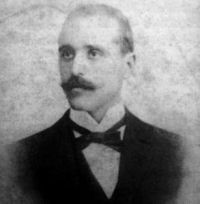
Luigi Fabbri

Luigi Fabbri

Summary

Portrait of Luigi Fabbri Luigi Fabbri Life of Malatesta

I will betray my faith, because I would not bring anarchy about, and I would betray yours, because with a dictator you will tire of me, and I, turned ambitious and maybe convinced that I was doing my duty, would surround myself with police, bureaucrats, parasites, and would give life to a new caste of oppressors and privileged people by which you would be exploited and vexed as you are today by the Government and the bourgeoisie.’ “I remember that Malatesta also said, ‘If you really love me, don’t hope that I become your tyrant.’ But many details and phrases escape me now.
Source: Wikisource

Portrait of Luigi Fabbri Luigi Fabbri Life of Malatesta

Elena Melli, the comrade of ideas who in the last twelve or thirteen years had also been Errico Malatesta’s life companion and had tended to him so lovingly, creating the warmth of domestic housekeeping in his surroundings and permitting him to enjoy, at least in the intimacy of the house and the family, what bit of tranquility that was still possible in the tempestuous Italian life and under the inquisitorial persecutions of the fascist regime, he had pursued with his tenacious will that the remains of our loved friend would have a dignified and long-lasting grave.
Source: Wikisource

Portrait of Luigi Fabbri Luigi Fabbri Life of Malatesta

I should emphasize the fighting nature and the energizing effects of Malatesta’s kindness, so that he isn’t mistaken for one of those who, passive and resigned, guiltily indulge the tyrannical and wicked. He hated the bad as much as he loved the good; hate, he used to say, is often an expression of love, though love and not hate is the true factor of human liberation. His innate kindness was a weapon for fighting, an instrument of revolution, the leaven of rebellion.
Source: Wikisource

Get perspective with Kwize: daily news enlightened by great literature